System Prompt vs User Prompt vs Context: Who Controls the AI?
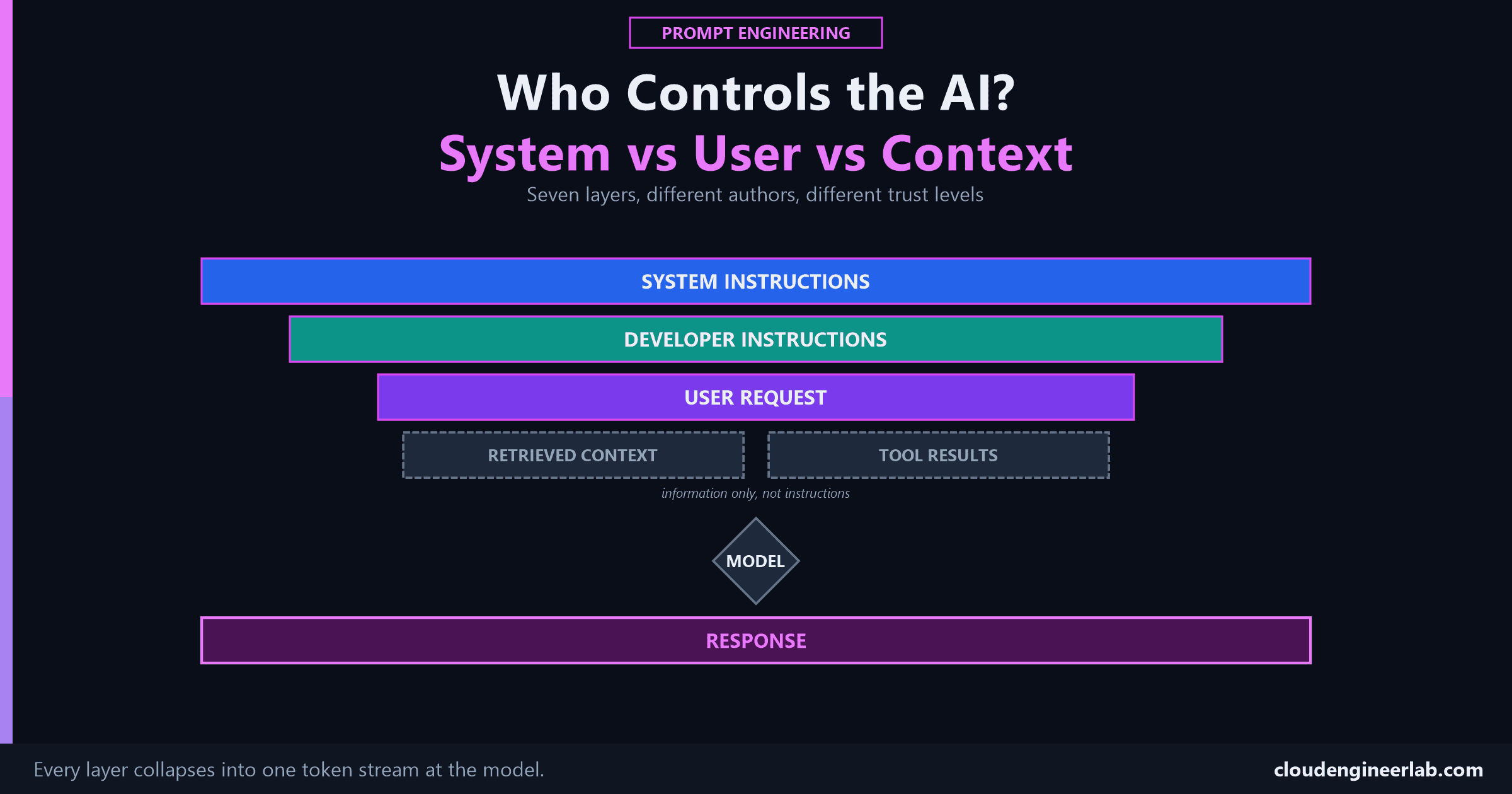
Every AI response is assembled from up to seven layers, written by different parties with different trust levels. Here's what each one actually controls.
9 posts

Every AI response is assembled from up to seven layers, written by different parties with different trust levels. Here's what each one actually controls.

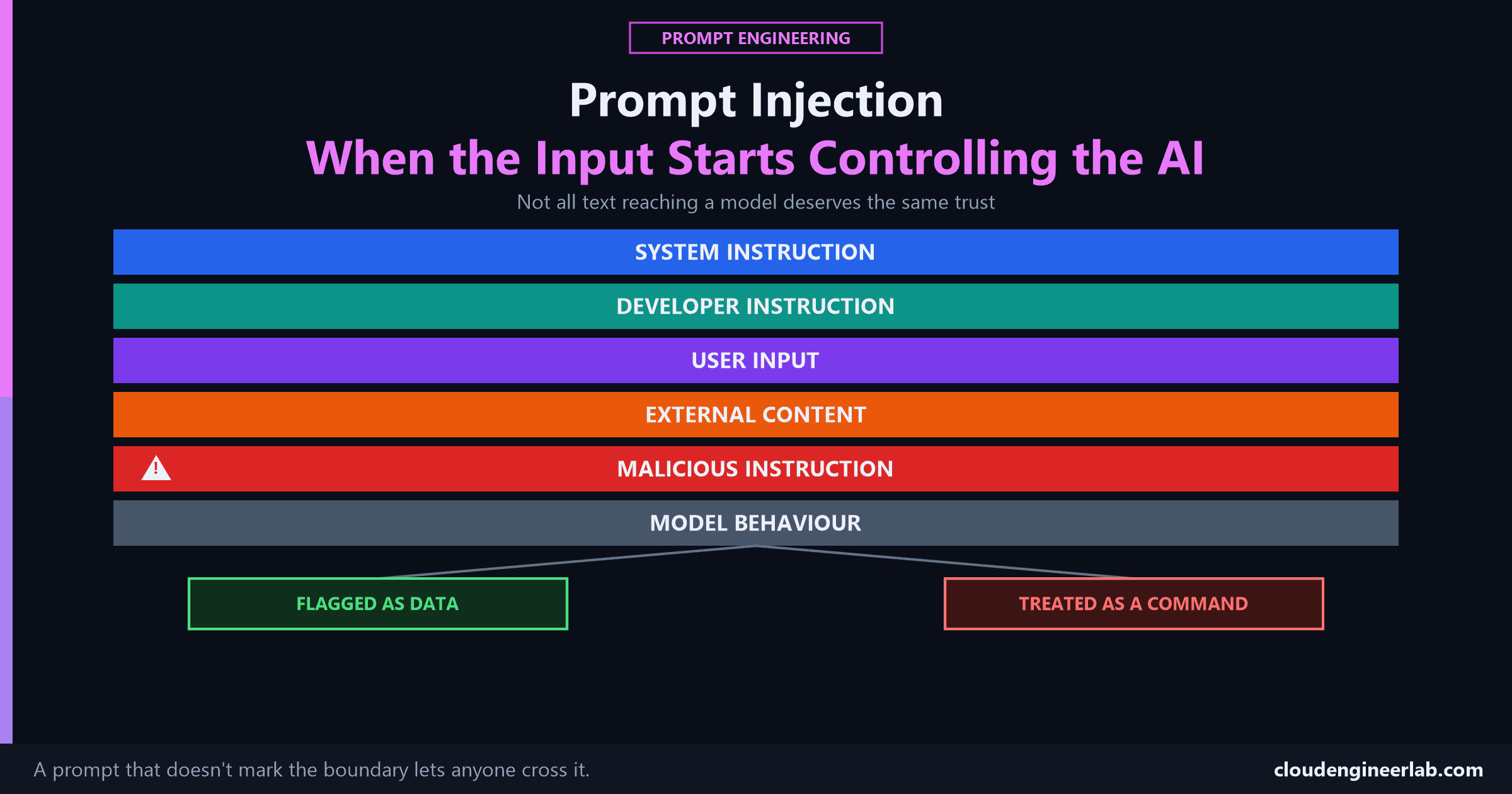
Not every piece of text you paste into a prompt is safe to treat as an instruction. Where that trust breaks down, and how to structure a prompt so it doesn't.

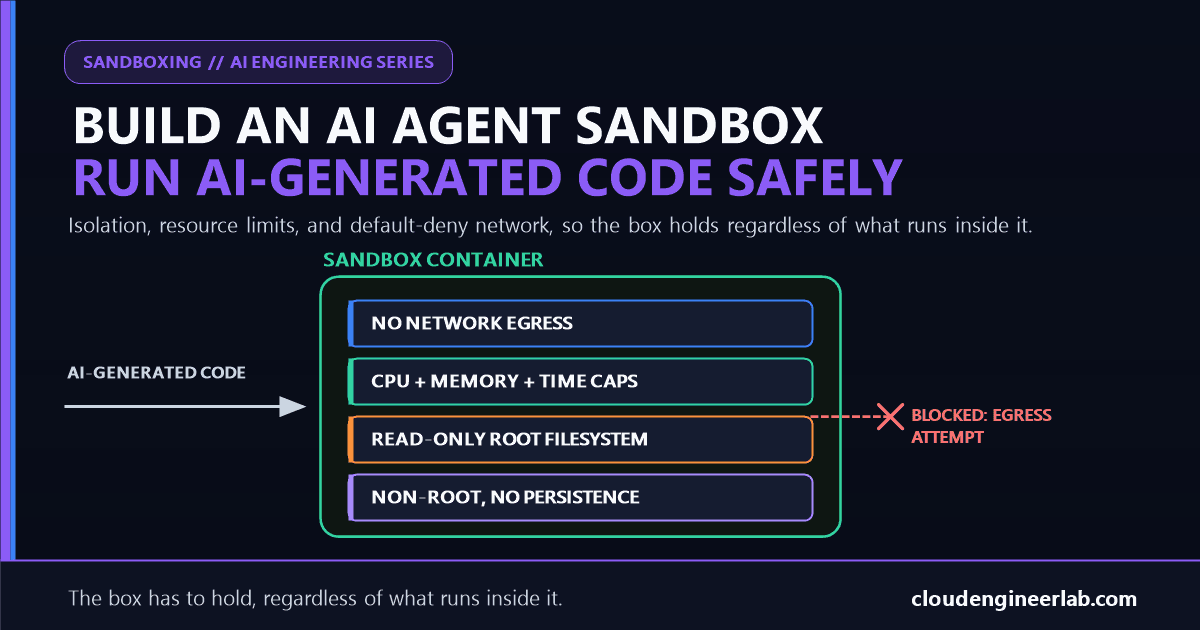
An agent that writes its own Python is only as safe as the box it runs in. Here's the layered sandbox that keeps a bad script from becoming a bad day.

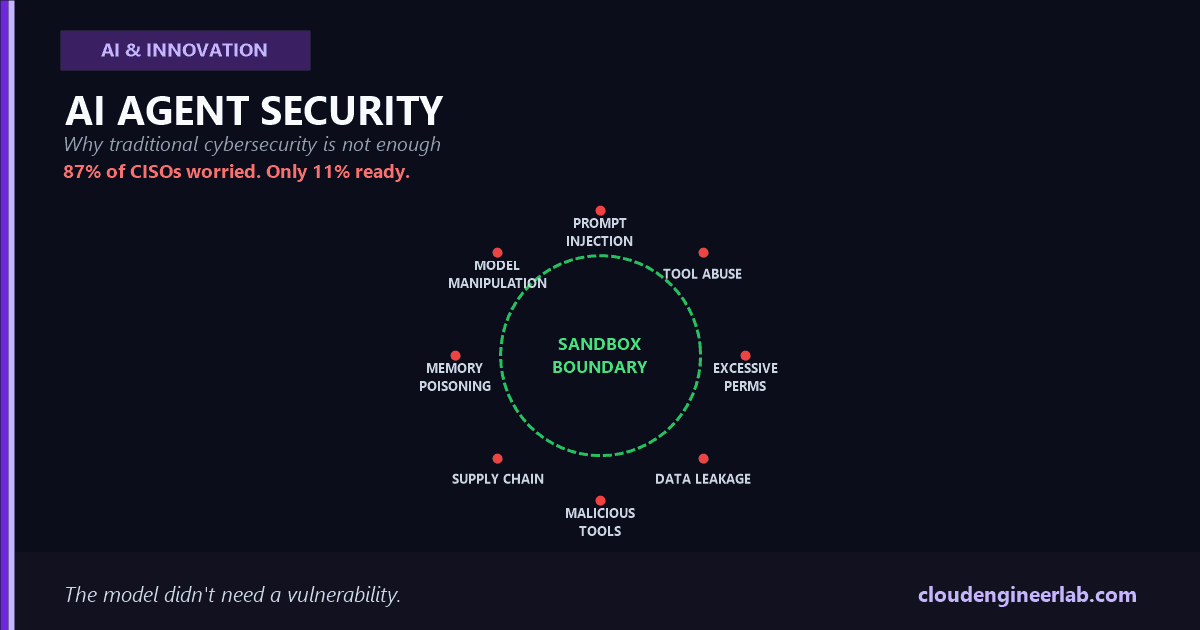
87% of CISOs call AI agent security their top concern. Only 11% say they're actually ready. Here's the full threat surface traditional AppSec never covered.

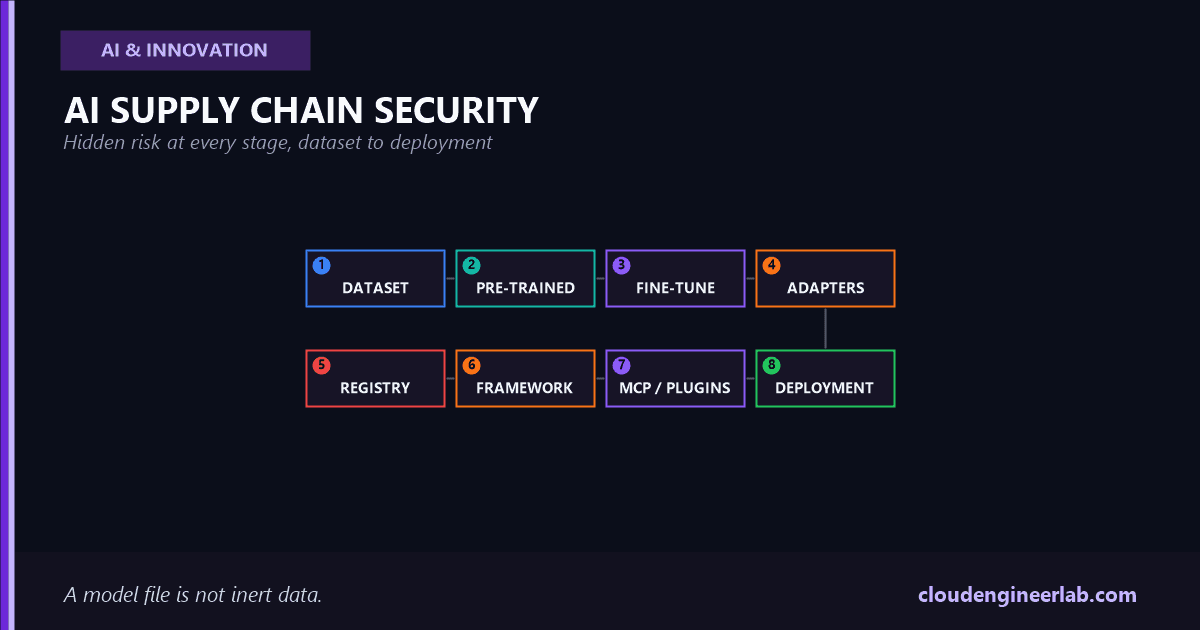
A malicious model doesn't look wrong when you read it. Real cases of poisoned datasets, backdoored models, and compromised MCP servers, and how to actually verify what you're running.

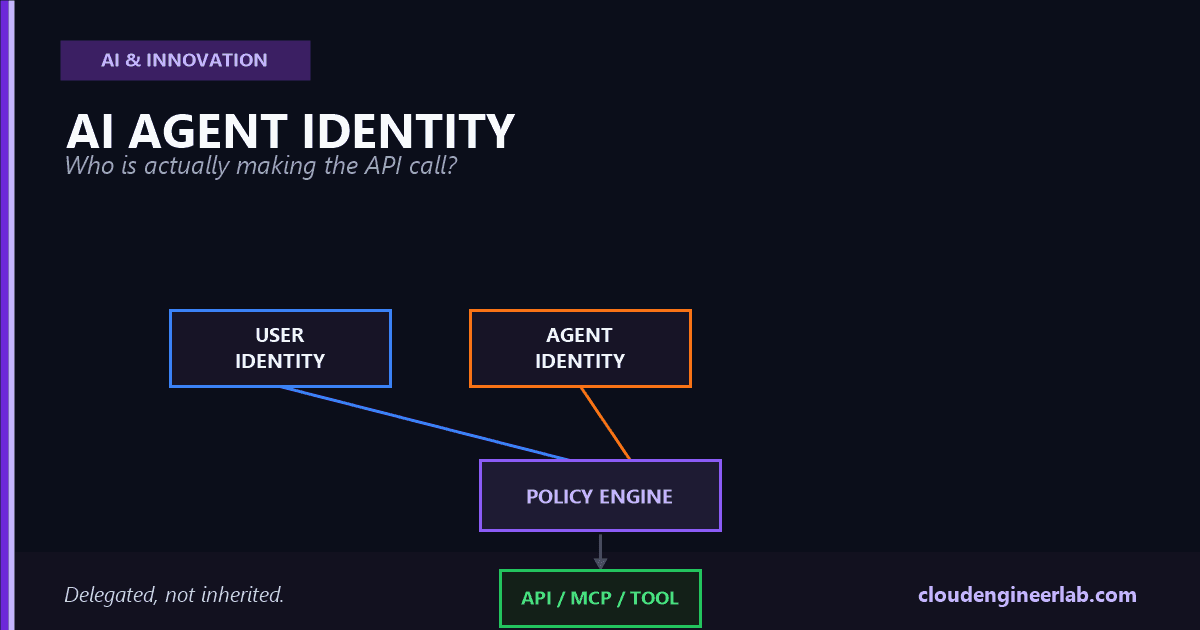
An agent acting for a user isn't the same as the user. A real architectural look at agent identity, delegation, OAuth, least privilege, and zero trust.

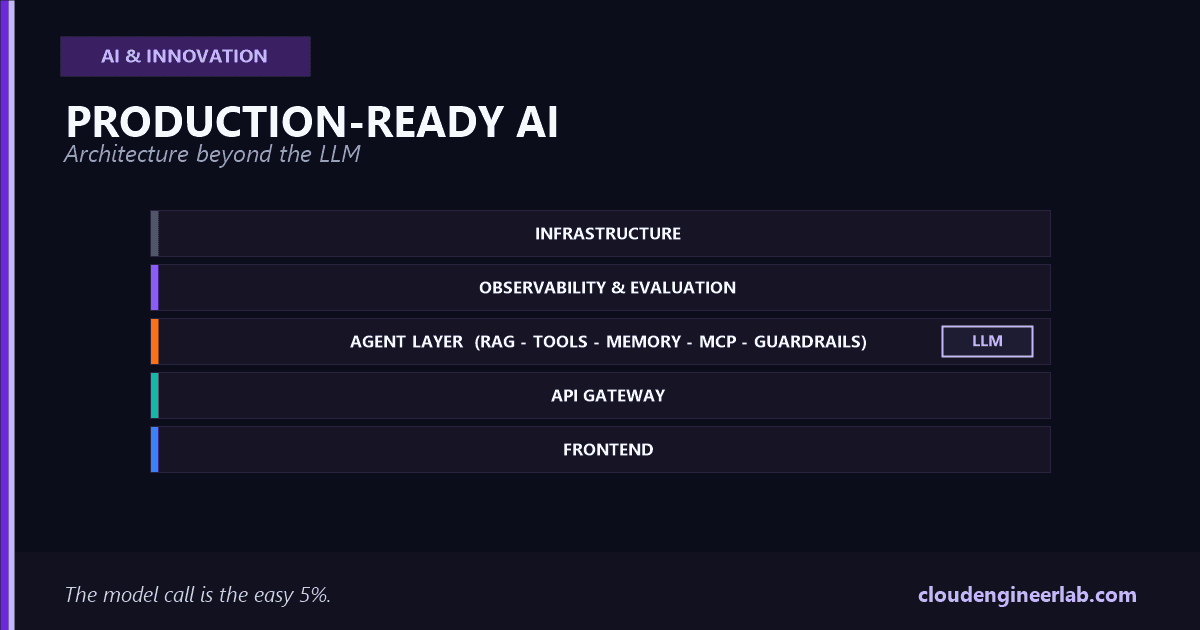
The model call is the easy 5%. Here's the architecture, security, cost, monitoring, and reliability work that turns a demo into a system you can trust.

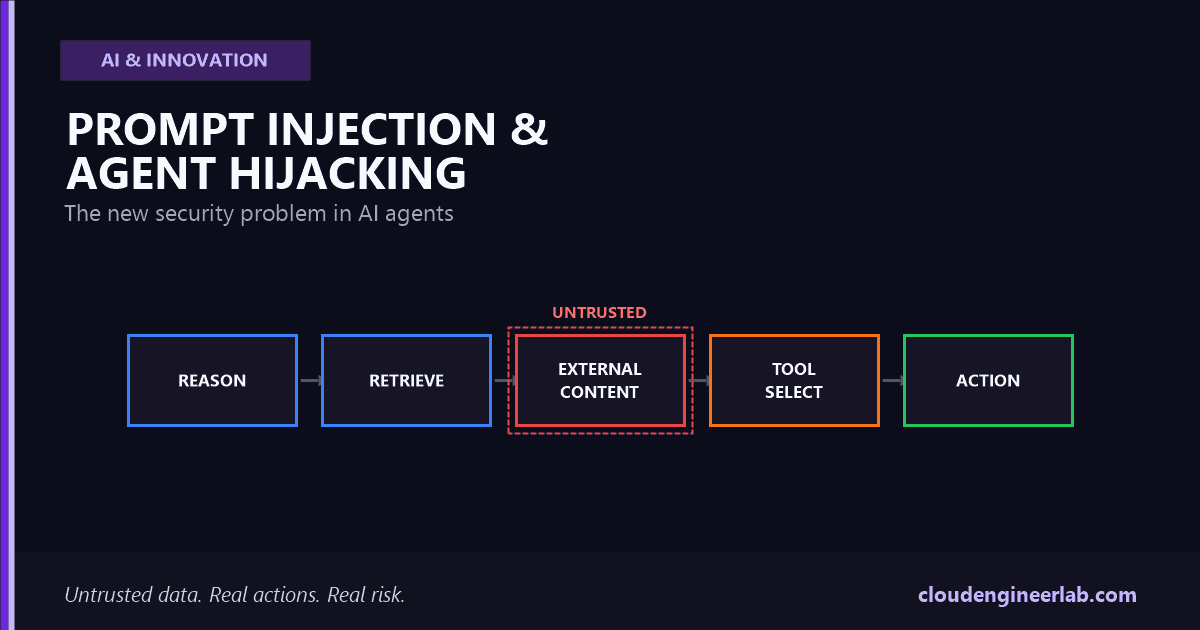
A zero-click email exploit. A poisoned GitHub PR title. Why giving an LLM tools and untrusted data is a systems security problem, not a content one.
Brussels hosted Cybersec Europe 2026 last week, the continent's premier security event. Here are the dominant themes: AI-driven threats, Zero Trust maturity, NIS2/DORA compliance, digital sovereignty, and what they mean for your security roadmap.