Prompt Engineering for Tool Calling: How to Make AI Use APIs Correctly
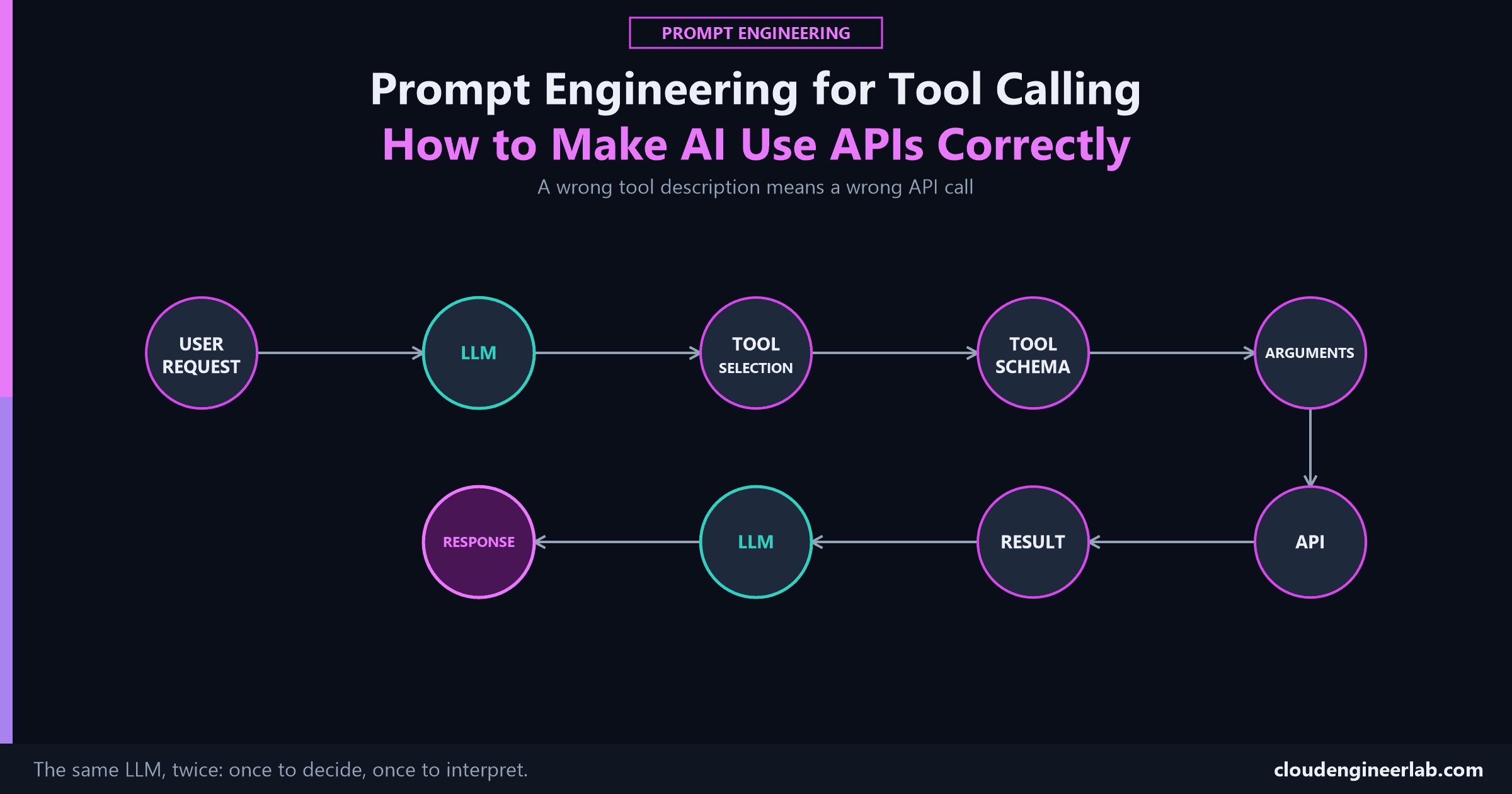
A tool description is a prompt the model reads to decide whether to use it at all. Get that wrong and no amount of clever wording elsewhere fixes it.
19 posts

A tool description is a prompt the model reads to decide whether to use it at all. Get that wrong and no amount of clever wording elsewhere fixes it.

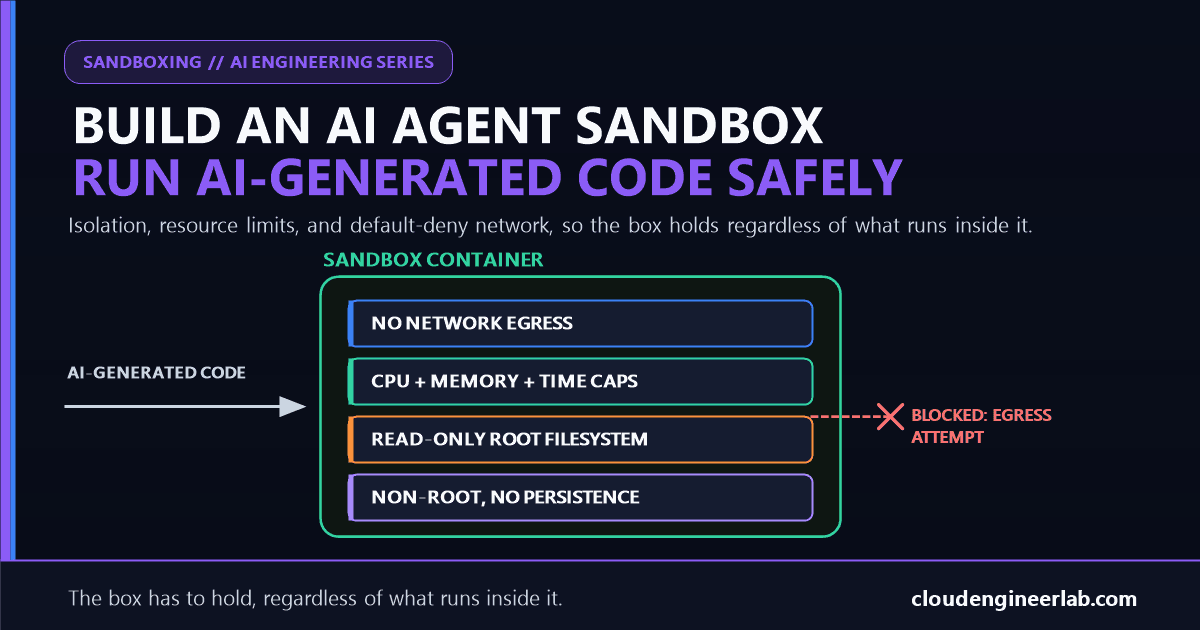
An agent that writes its own Python is only as safe as the box it runs in. Here's the layered sandbox that keeps a bad script from becoming a bad day.

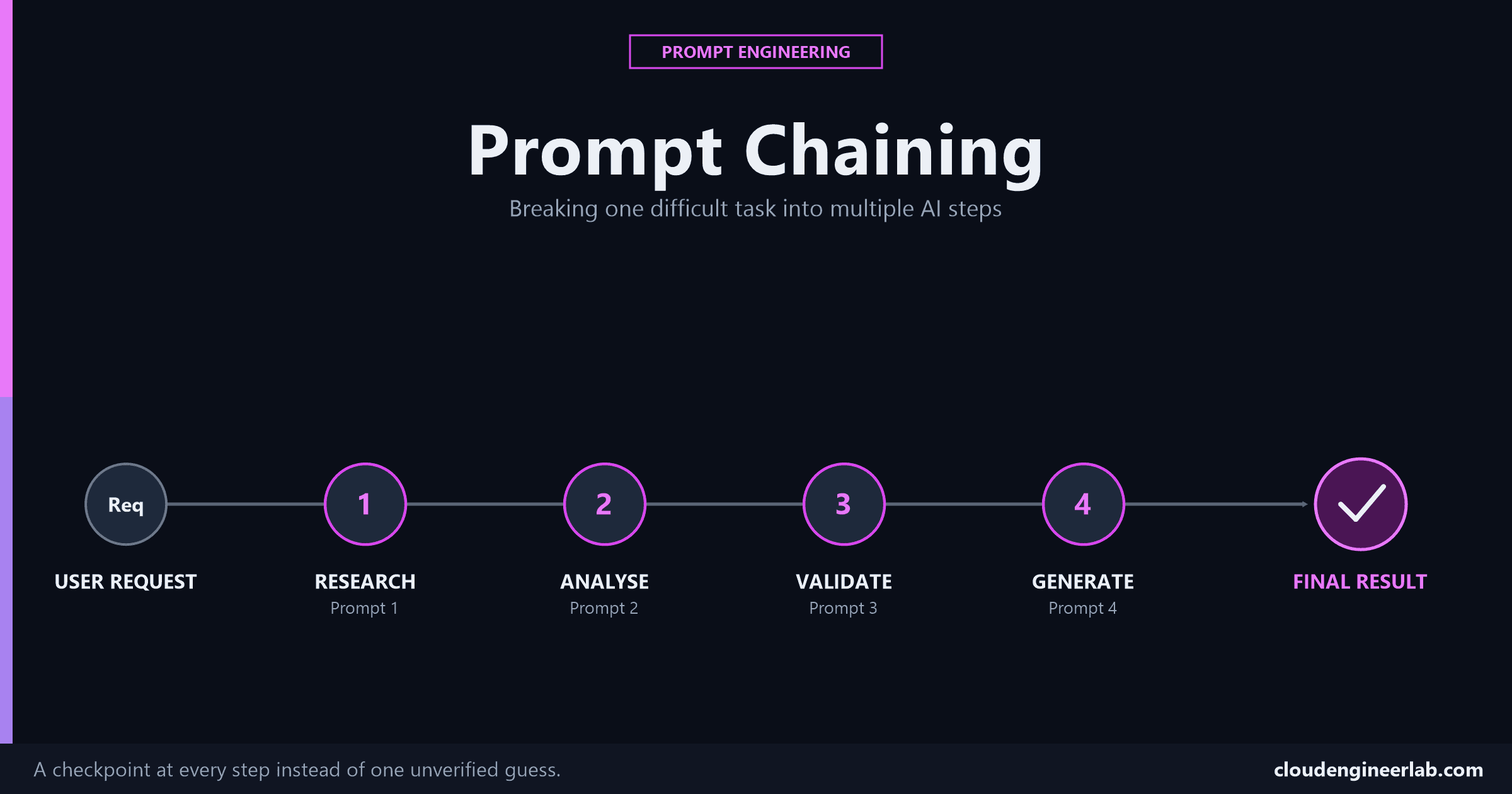
One giant prompt asks a model to research, analyse, validate, and generate all at once, with no chance to catch a mistake before it reaches the final answer. Chaining fixes that.

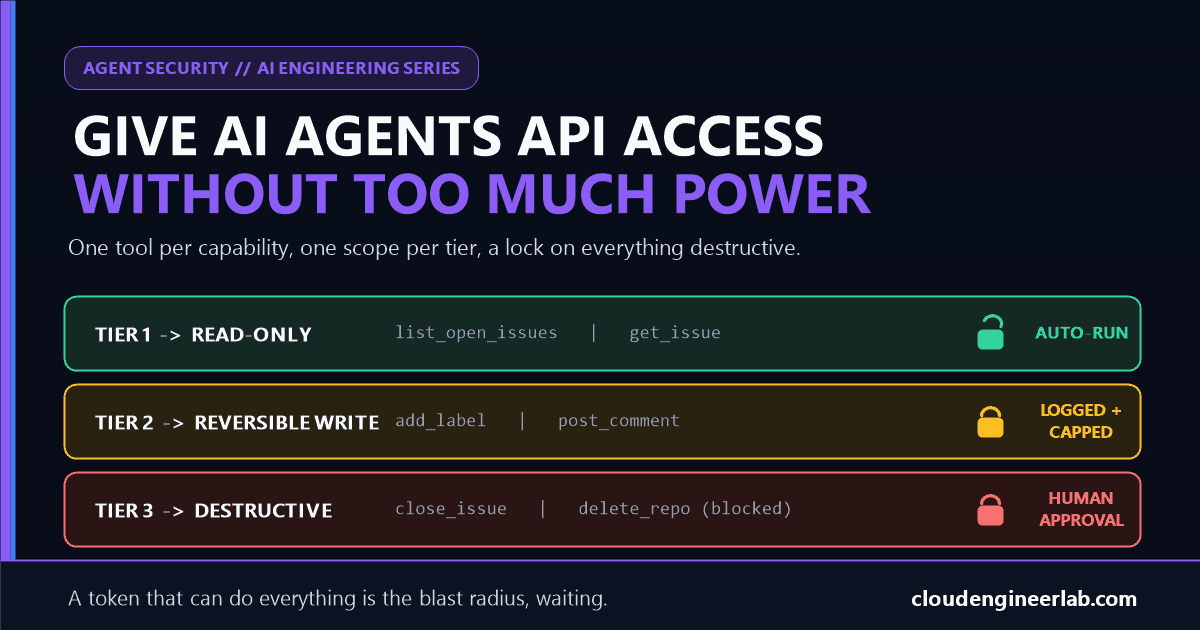
The fastest way to connect an agent to an API is one token with every scope it might ever need. It's also how a triage bot ends up able to delete the repo.

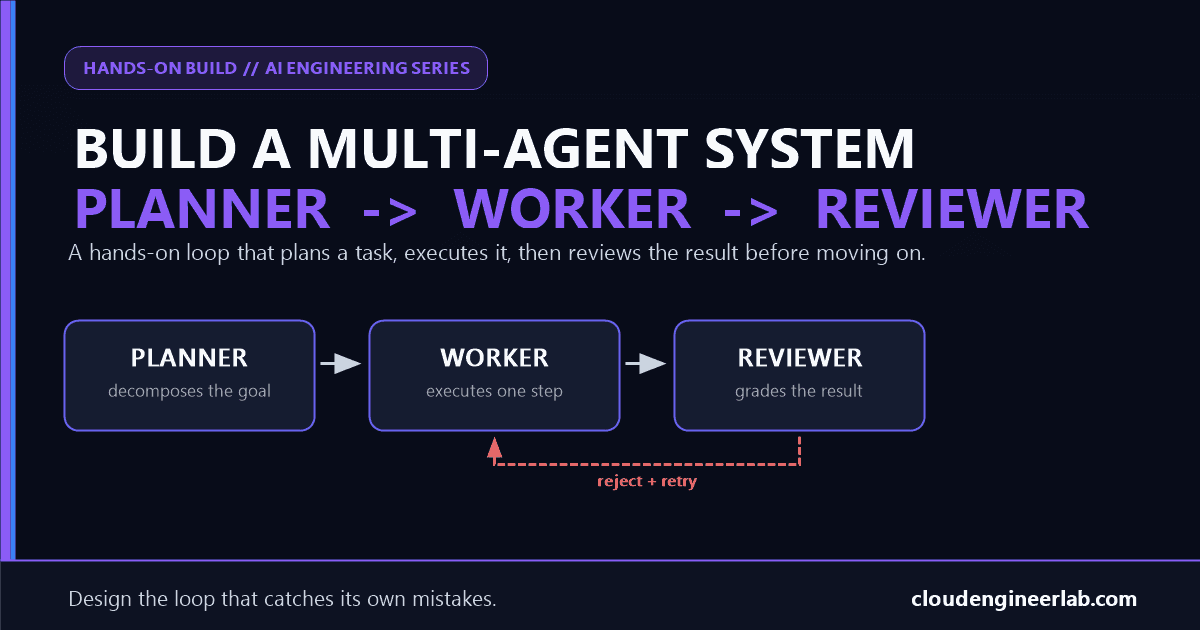
A single agent grading its own work shares its own blind spots. Splitting planning, execution, and review into three passes is what actually catches mistakes.

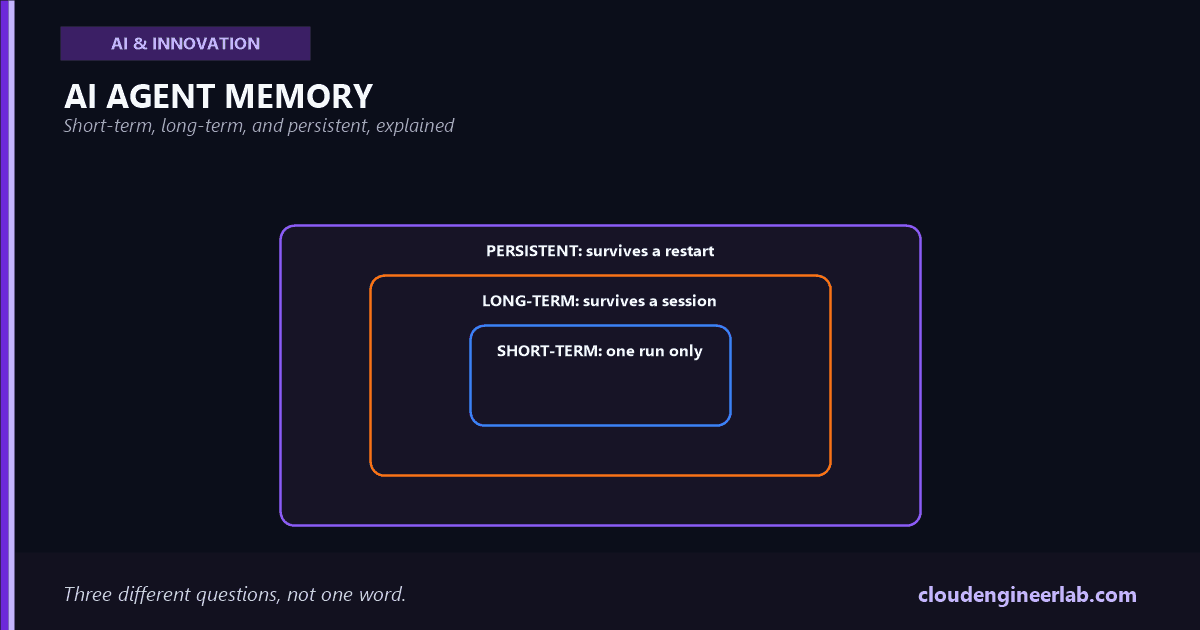
Three genuinely different engineering problems hide behind one word. An agent that confuses them either forgets things mid-task or loses them on restart.

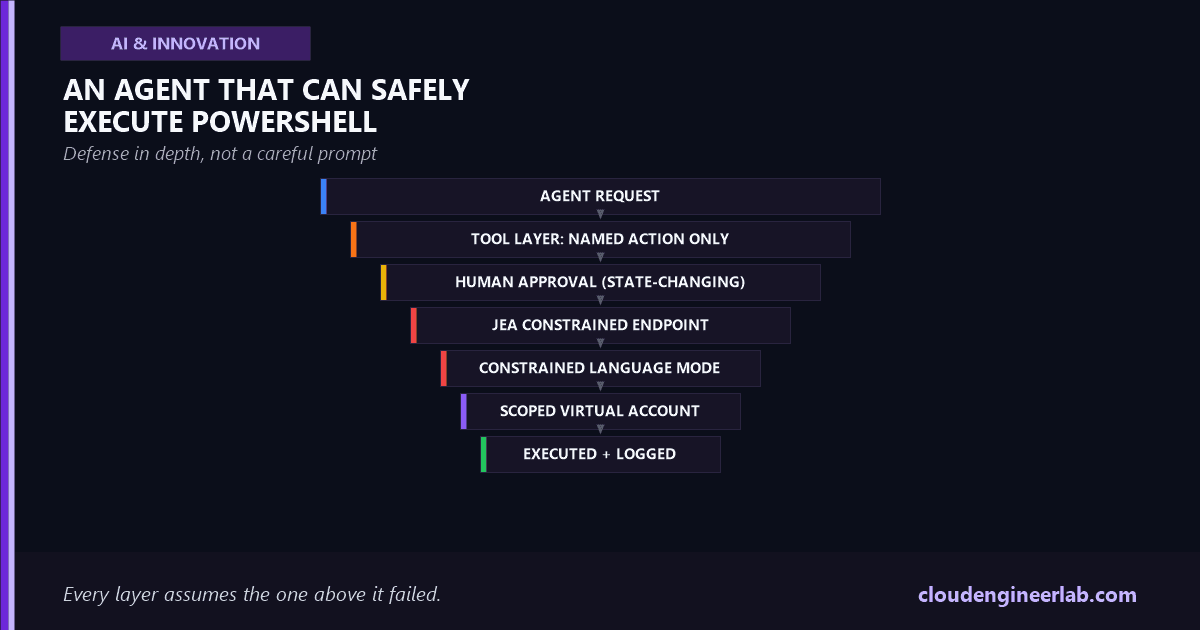
PowerShell can touch nearly everything on a Windows estate. Here's the layered architecture that lets an agent use it without becoming the attacker's shell.

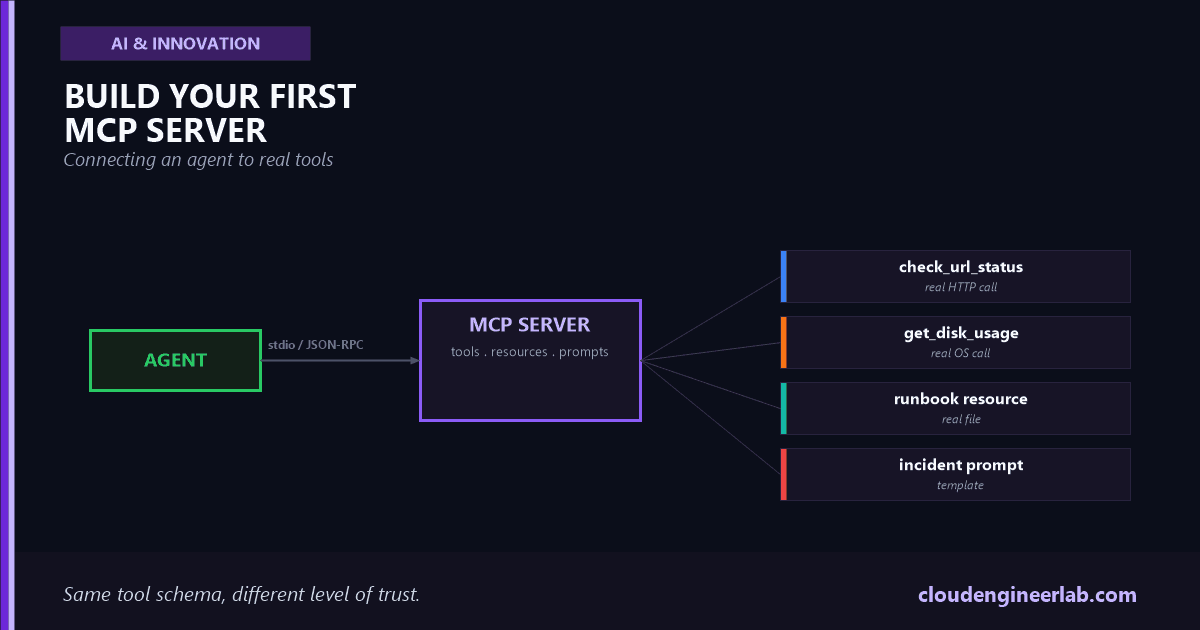
A working MCP server in about 80 lines: two real tools, a resource, a prompt template, and the one design mistake that turns it into a security hole.

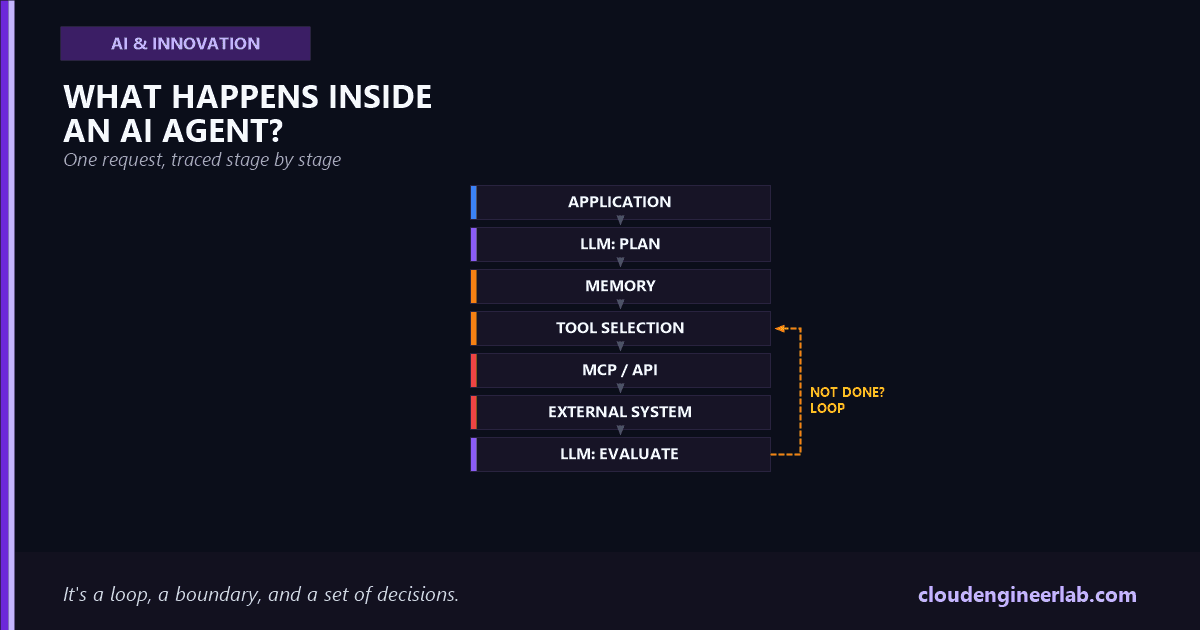
Not another 'agents are the future' piece. One real request, traced stage by stage through planning, memory, tool calls, MCP, evaluation, and back.

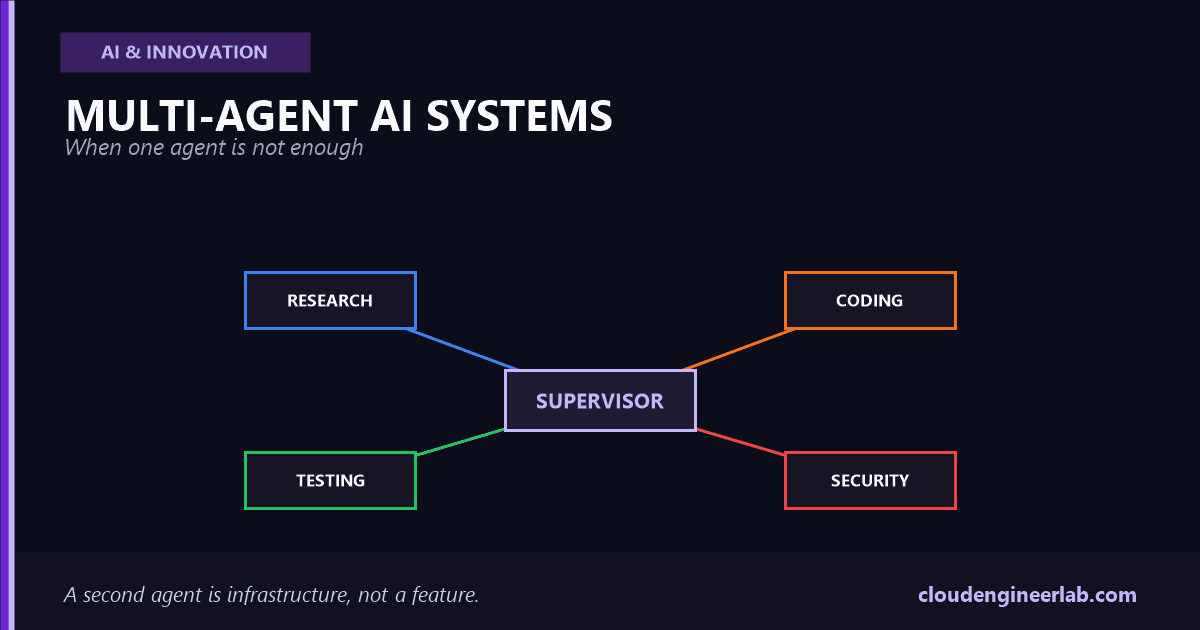
A second agent isn't a feature, it's infrastructure you now maintain and pay for. When that trade genuinely pays off, and the honest cases where it doesn't.

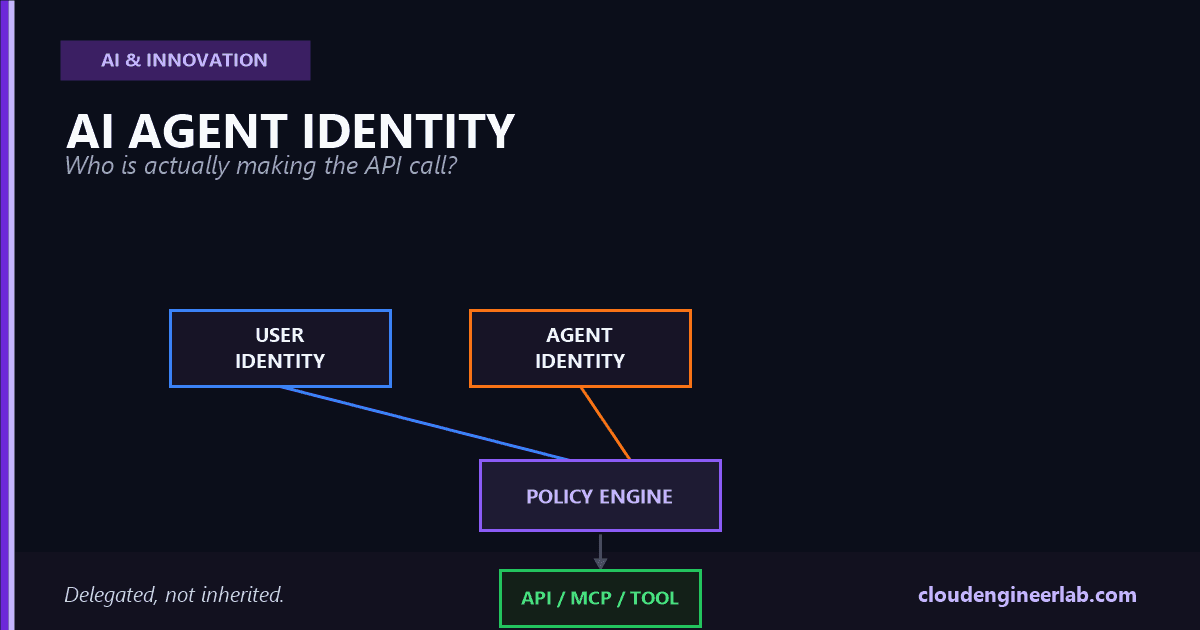
An agent acting for a user isn't the same as the user. A real architectural look at agent identity, delegation, OAuth, least privilege, and zero trust.

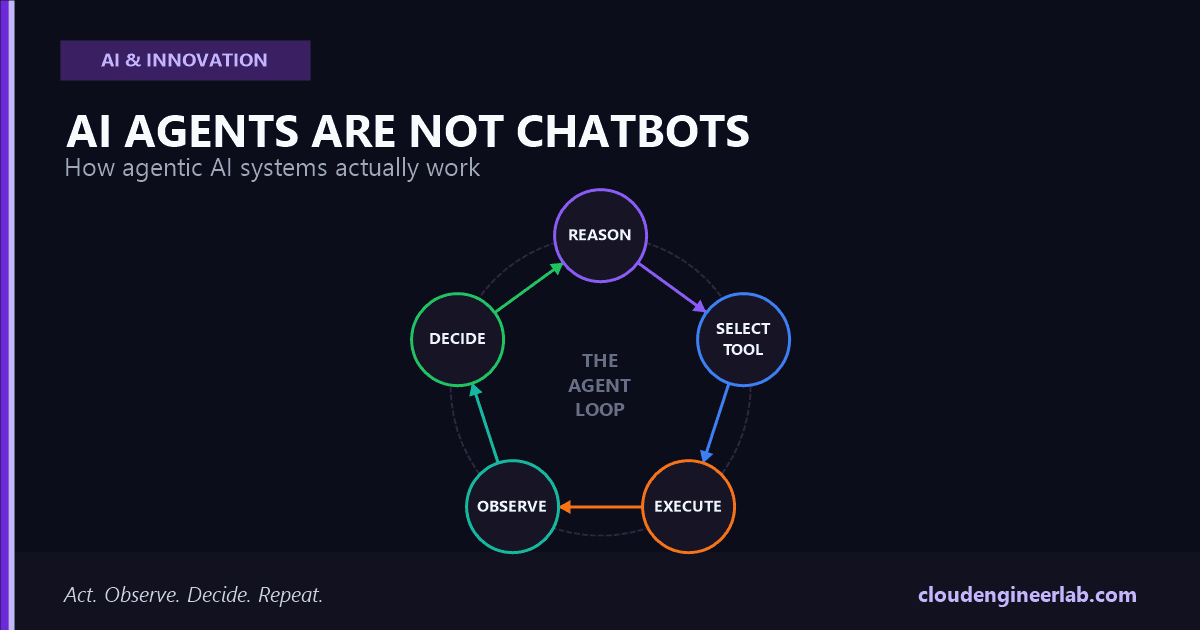
A chatbot answers. An agent acts, checks, and tries again. Here's the real architecture behind agent loops, tool calling, memory, and long-running tasks.

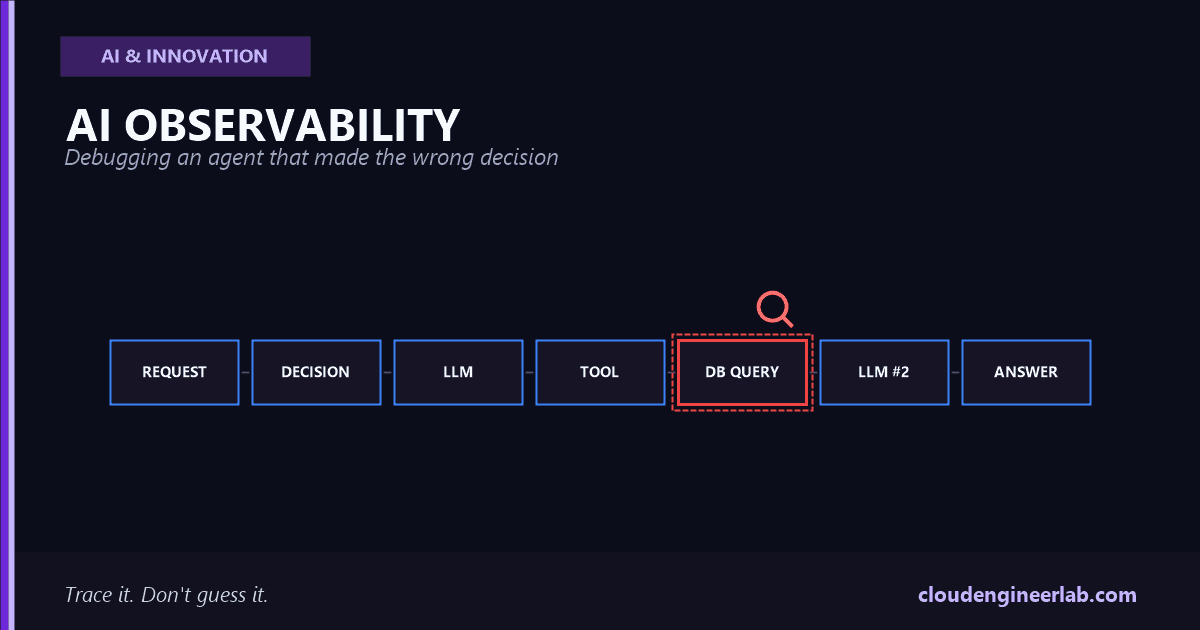
A 200 OK and a wrong answer. Traditional logs can't tell you why an agent decided what it did. Here's what to actually record, and how to trace it back.

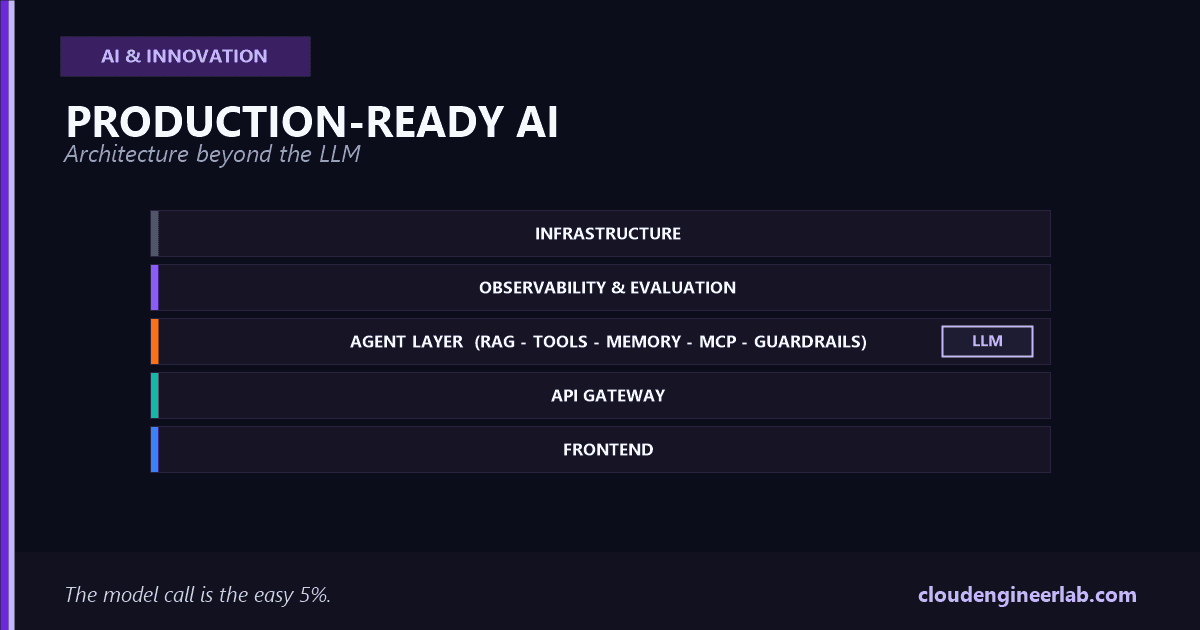
The model call is the easy 5%. Here's the architecture, security, cost, monitoring, and reliability work that turns a demo into a system you can trust.

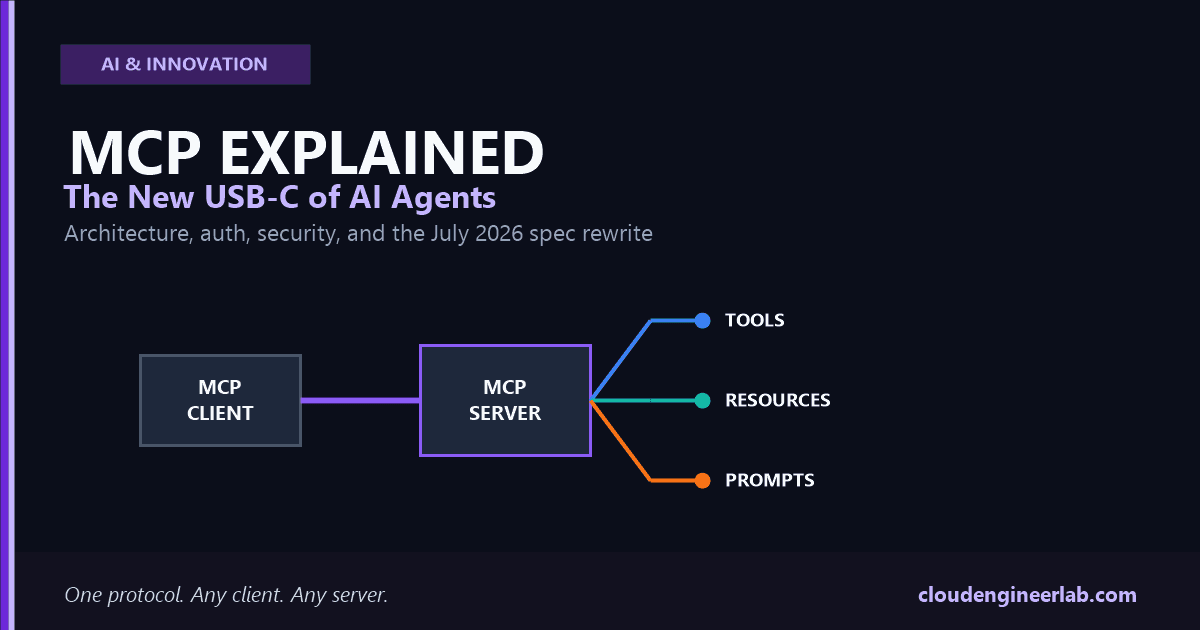
A deep architectural look at MCP: what problem it solves, how client-server and auth work, and what the July 2026 spec rewrite changed.

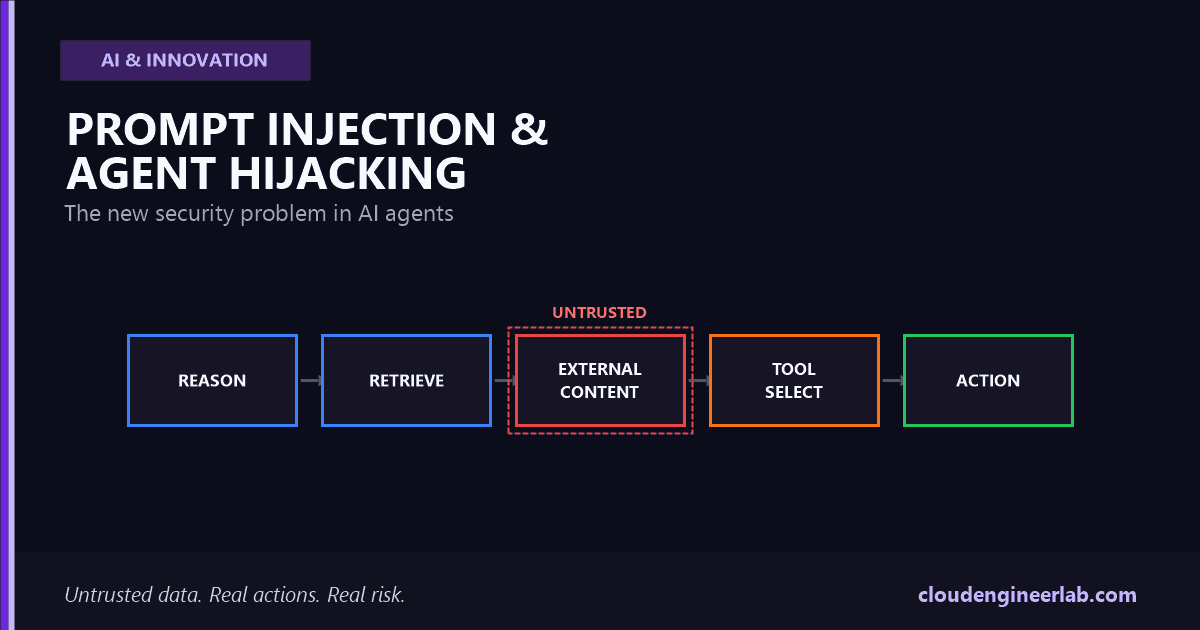
A zero-click email exploit. A poisoned GitHub PR title. Why giving an LLM tools and untrusted data is a systems security problem, not a content one.

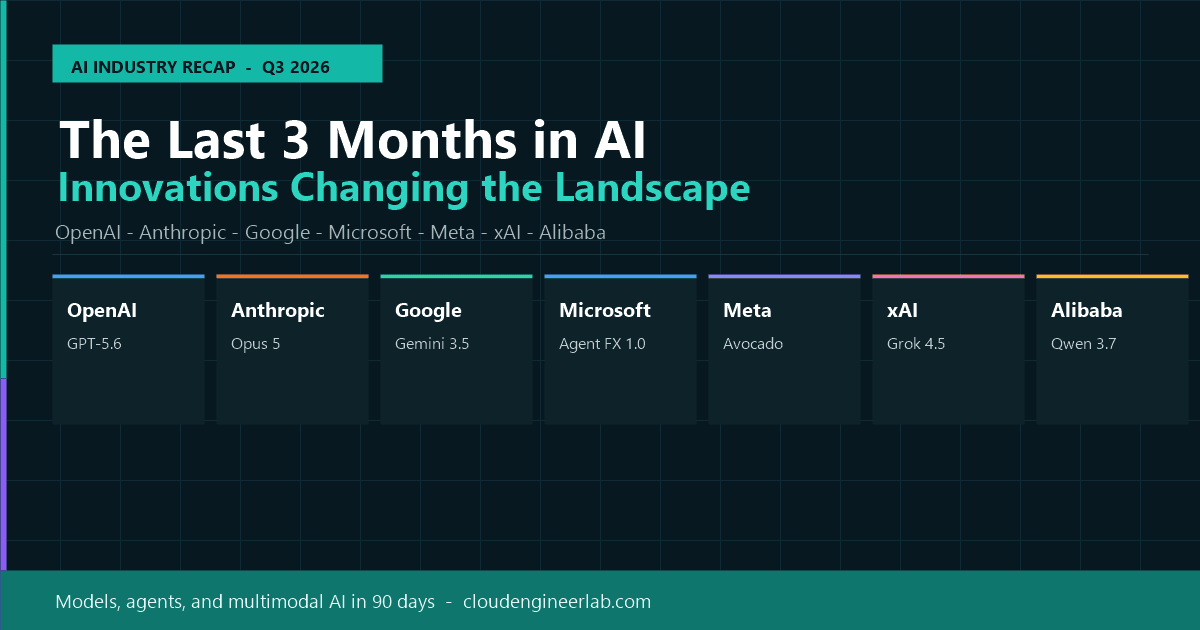
OpenAI, Google, Anthropic, Microsoft, Meta, xAI, and Alibaba all shipped major AI releases in the last three months. Here's what changed, why it matters, and what to learn next.

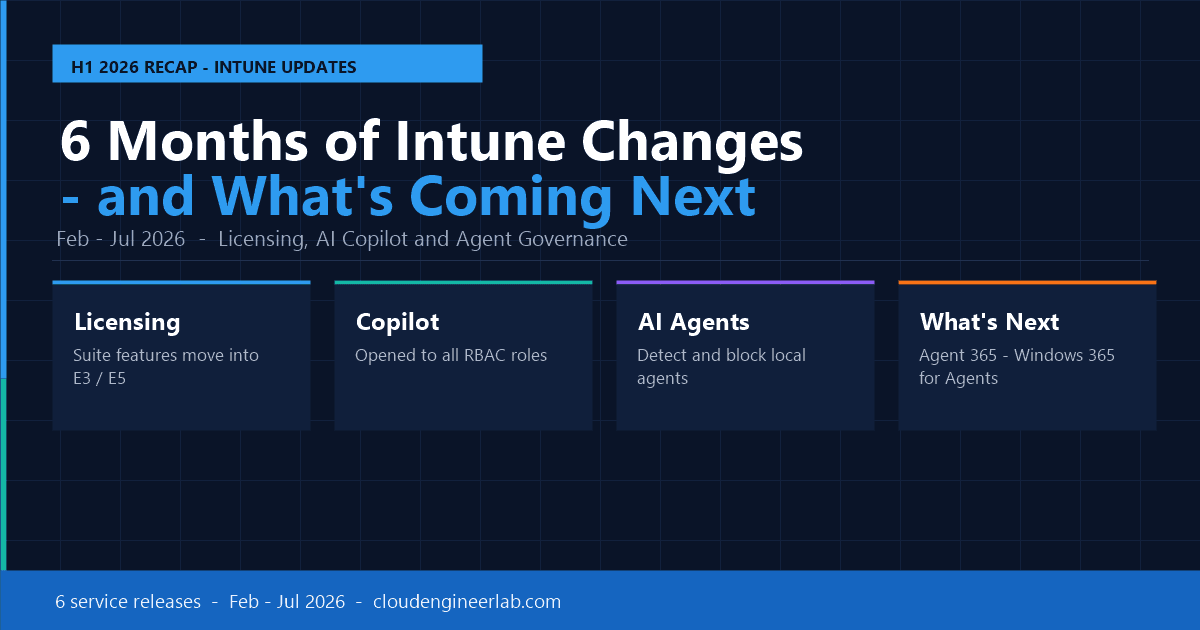
From the February to July 2026 service releases, Intune changed faster than ever: licensing, AI agents, and security. Here's what happened and what's next.
Microsoft Ignite 2026 descended on Paris with a clear message: AI agents are here, security is non-negotiable, and the intelligent cloud era is in full production. Here is every announcement that matters for enterprise IT, cloud, and security teams.