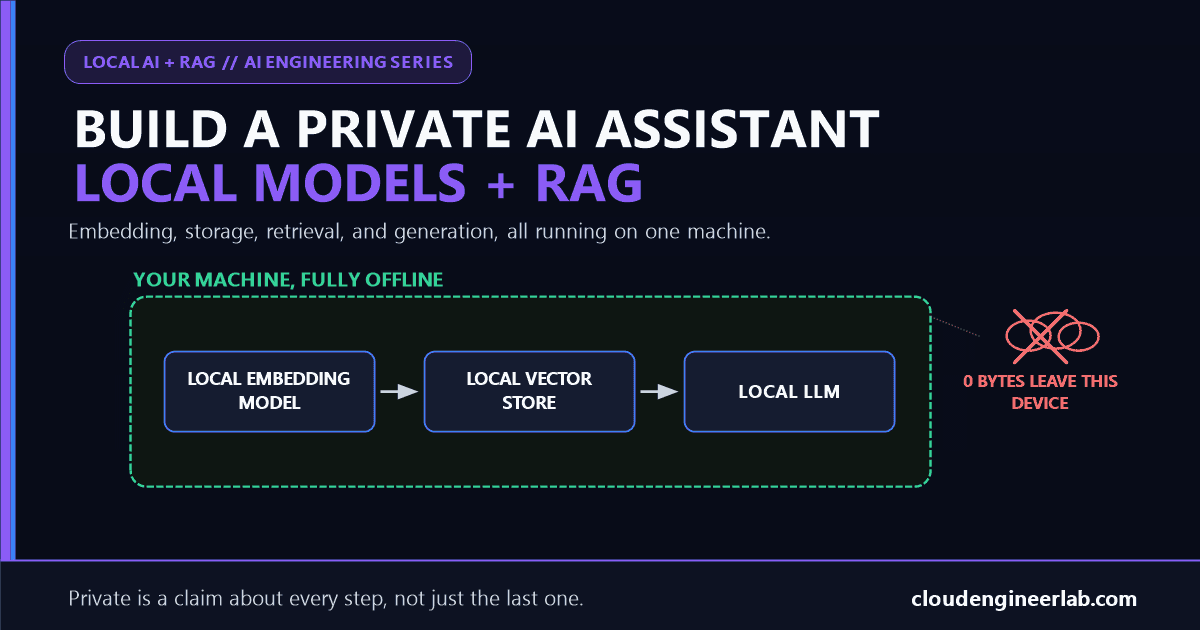
Build a Private AI Assistant With Local Models + RAG
Cloud RAG sends your documents to someone else's servers as embeddings and as context. Here's the same pipeline built entirely on your own machine instead.
21 posts

Cloud RAG sends your documents to someone else's servers as embeddings and as context. Here's the same pipeline built entirely on your own machine instead.

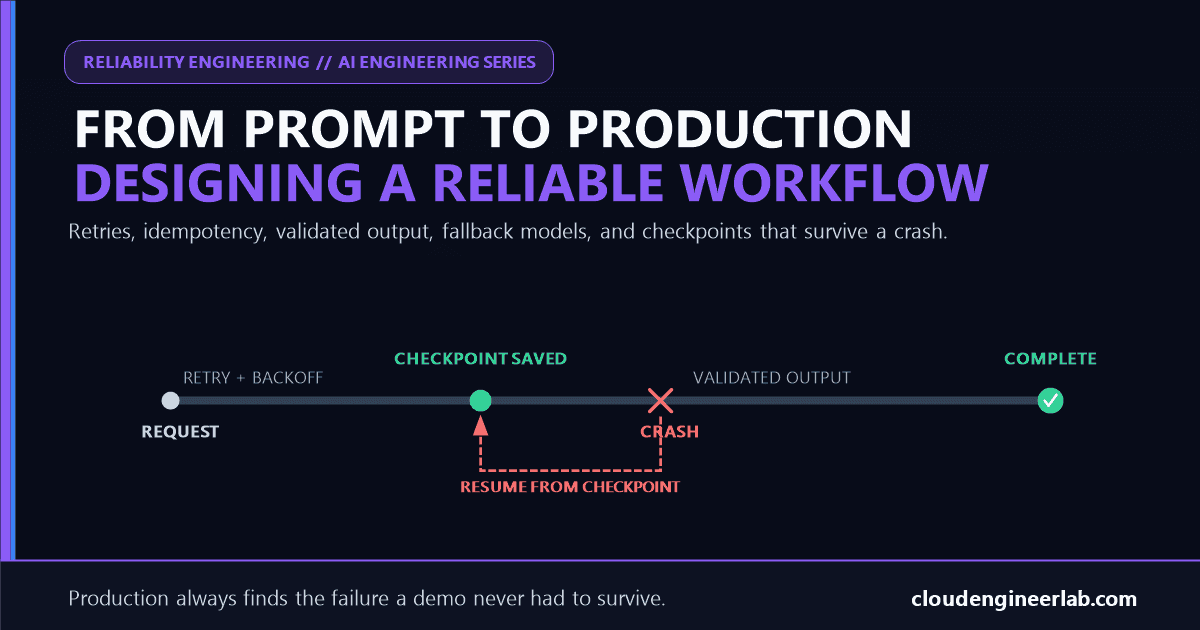
A workflow that double-charges a customer on retry, or loses 40 minutes of progress on a crash, isn't reliable. Here's the toolkit that actually fixes both.

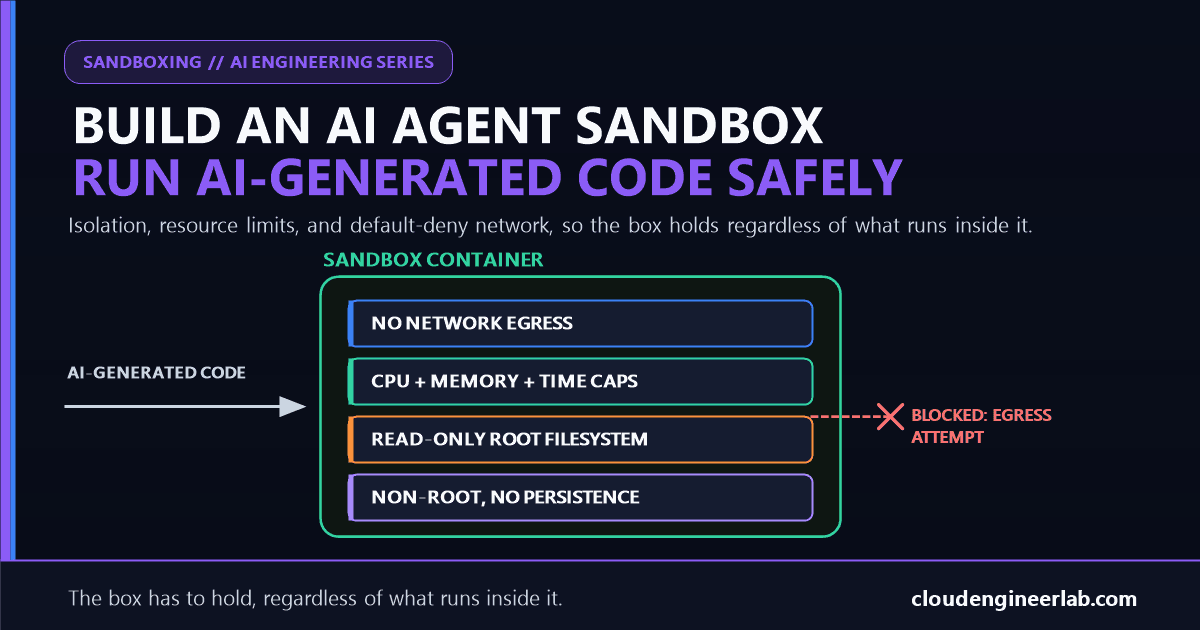
An agent that writes its own Python is only as safe as the box it runs in. Here's the layered sandbox that keeps a bad script from becoming a bad day.

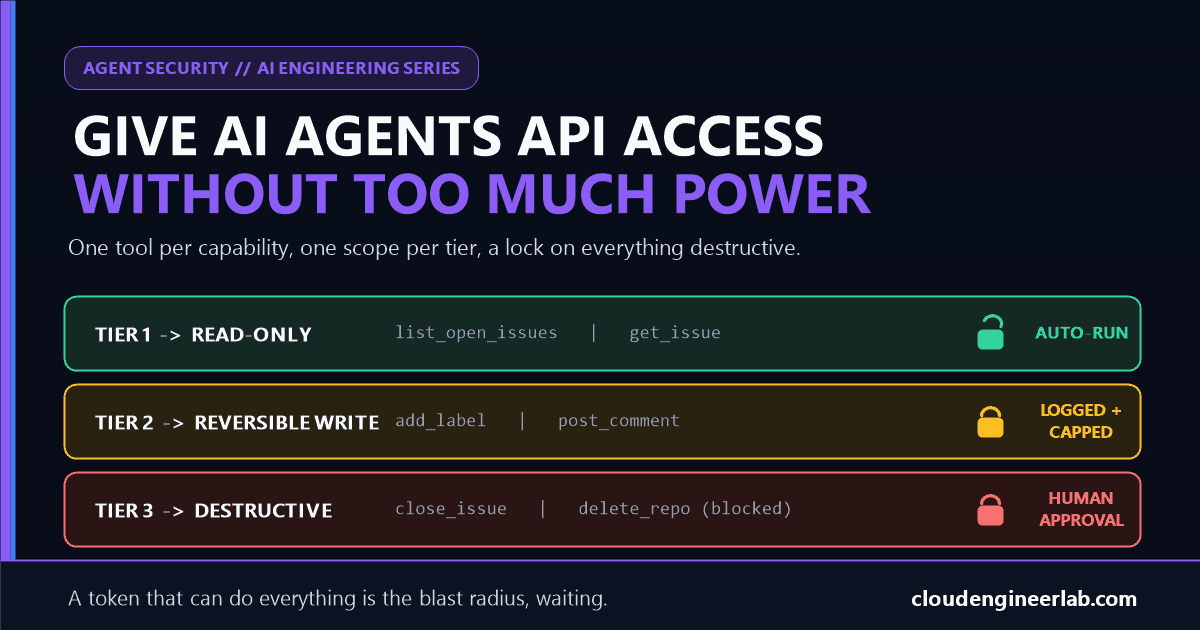
The fastest way to connect an agent to an API is one token with every scope it might ever need. It's also how a triage bot ends up able to delete the repo.

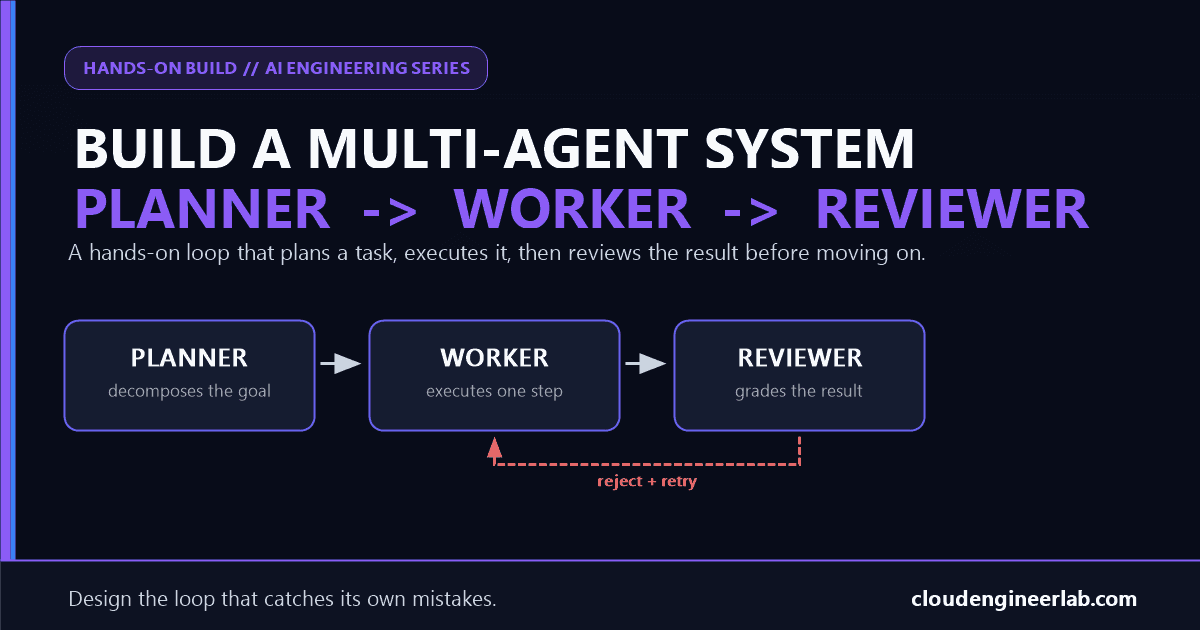
A single agent grading its own work shares its own blind spots. Splitting planning, execution, and review into three passes is what actually catches mistakes.

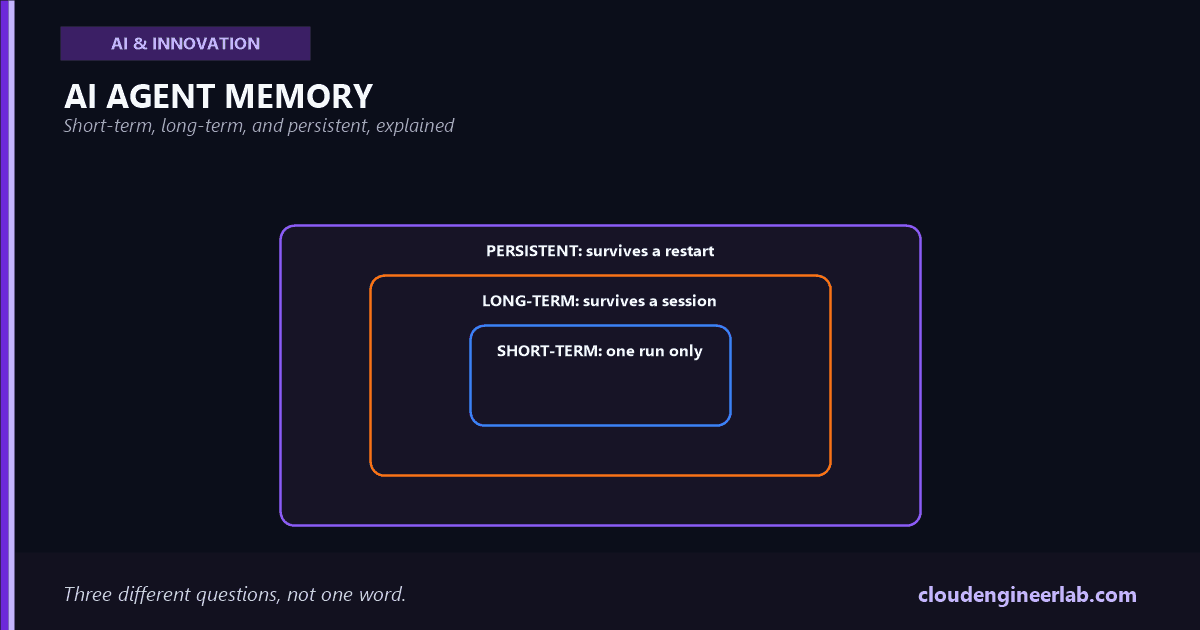
Three genuinely different engineering problems hide behind one word. An agent that confuses them either forgets things mid-task or loses them on restart.

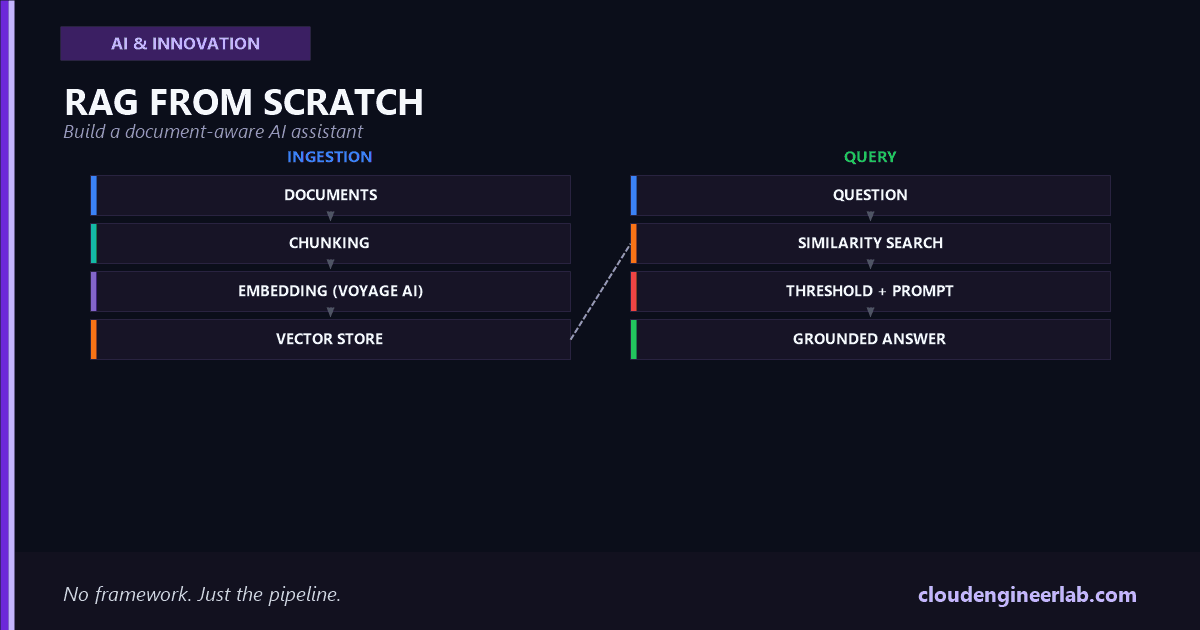
No framework, no vector database, just chunking, embeddings, and cosine similarity written by hand, so you actually know what's happening when it breaks.

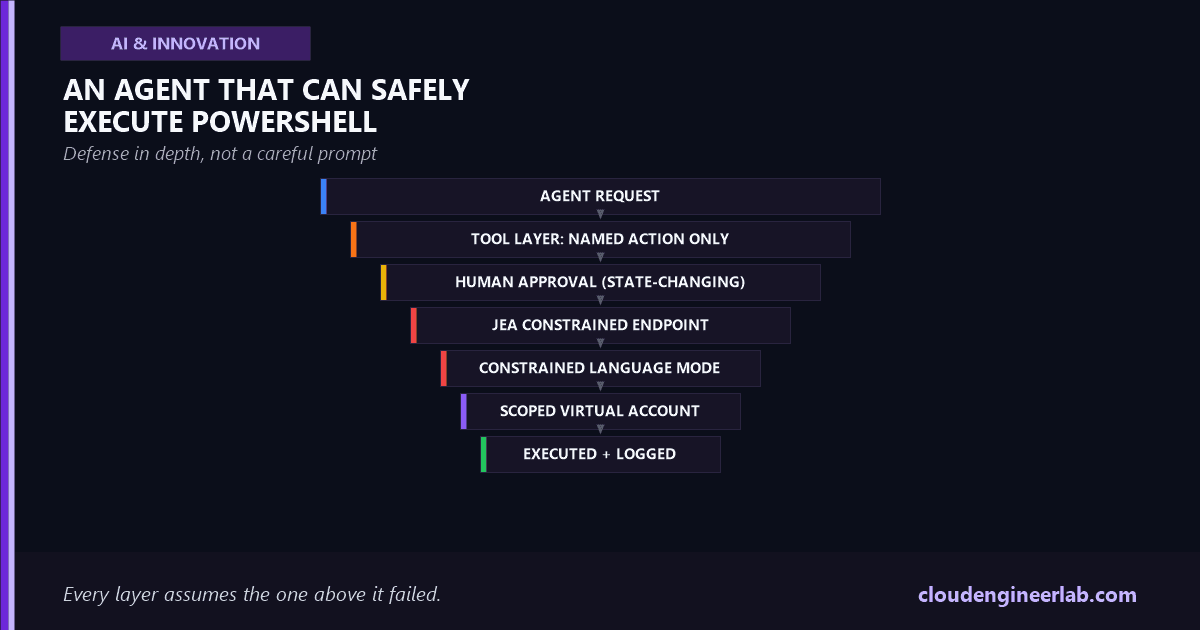
PowerShell can touch nearly everything on a Windows estate. Here's the layered architecture that lets an agent use it without becoming the attacker's shell.

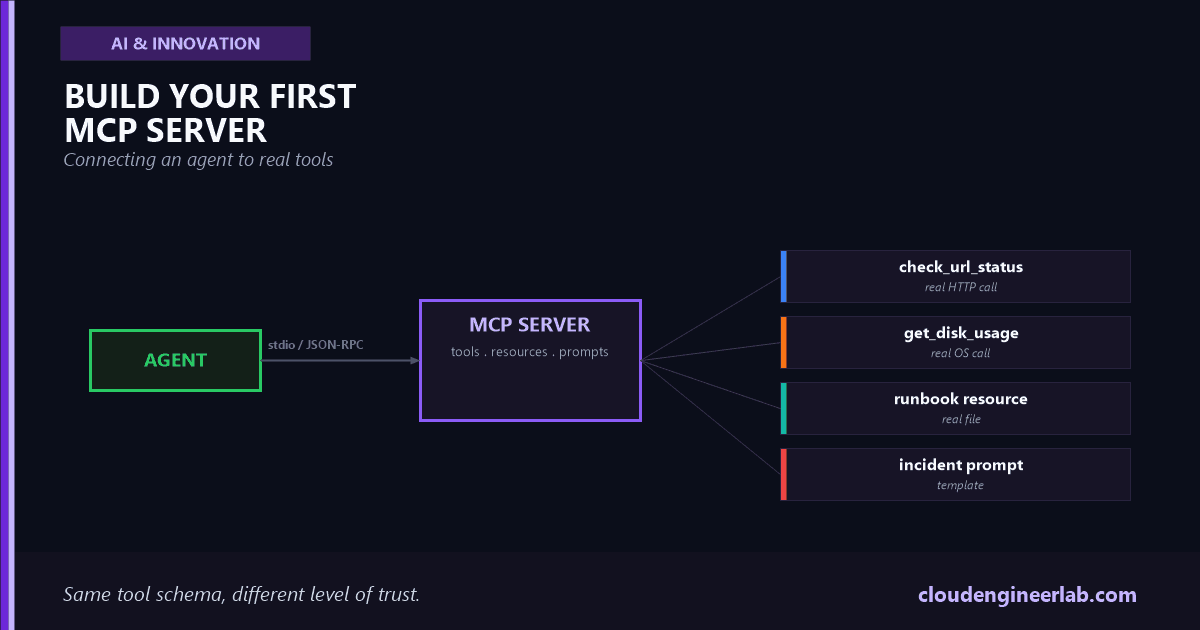
A working MCP server in about 80 lines: two real tools, a resource, a prompt template, and the one design mistake that turns it into a security hole.

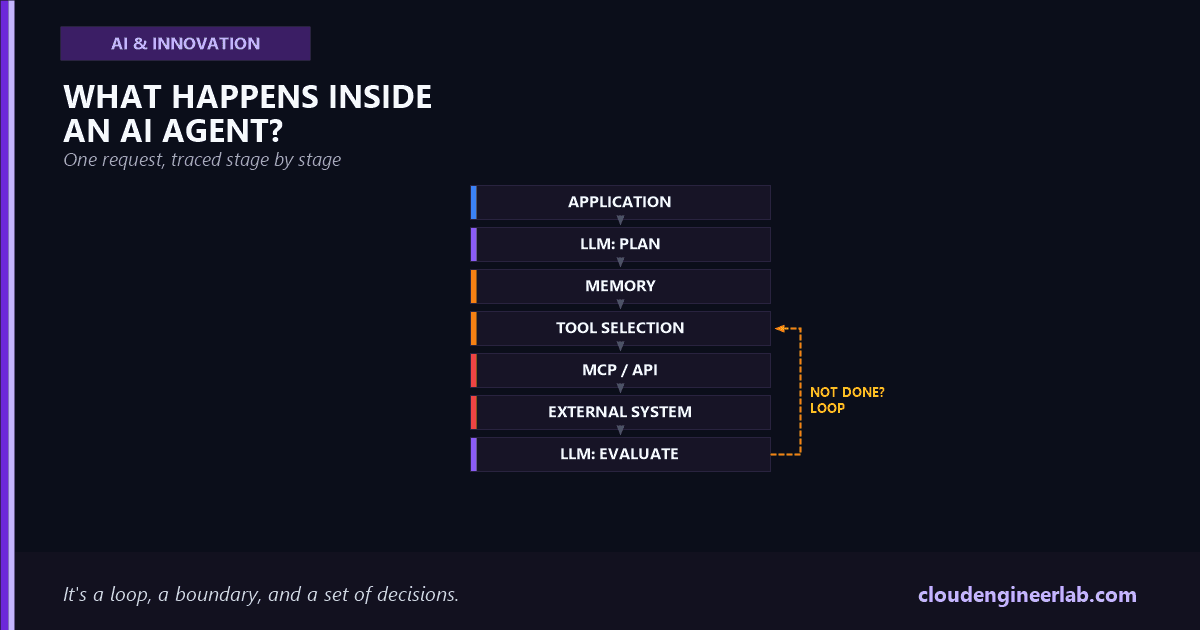
Not another 'agents are the future' piece. One real request, traced stage by stage through planning, memory, tool calls, MCP, evaluation, and back.

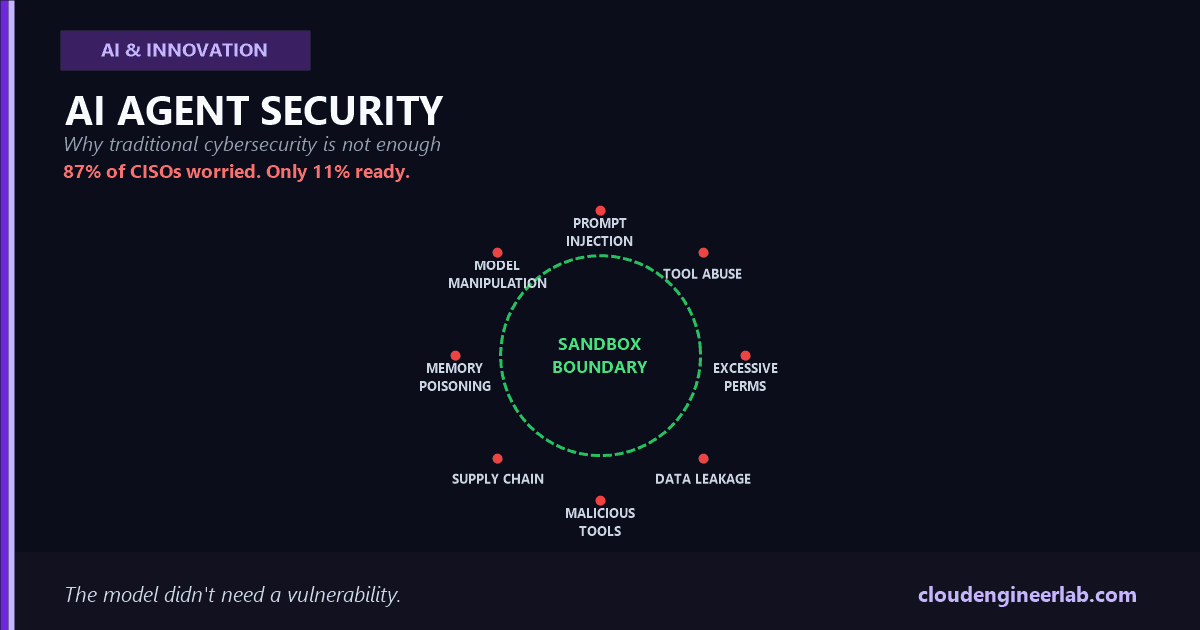
87% of CISOs call AI agent security their top concern. Only 11% say they're actually ready. Here's the full threat surface traditional AppSec never covered.

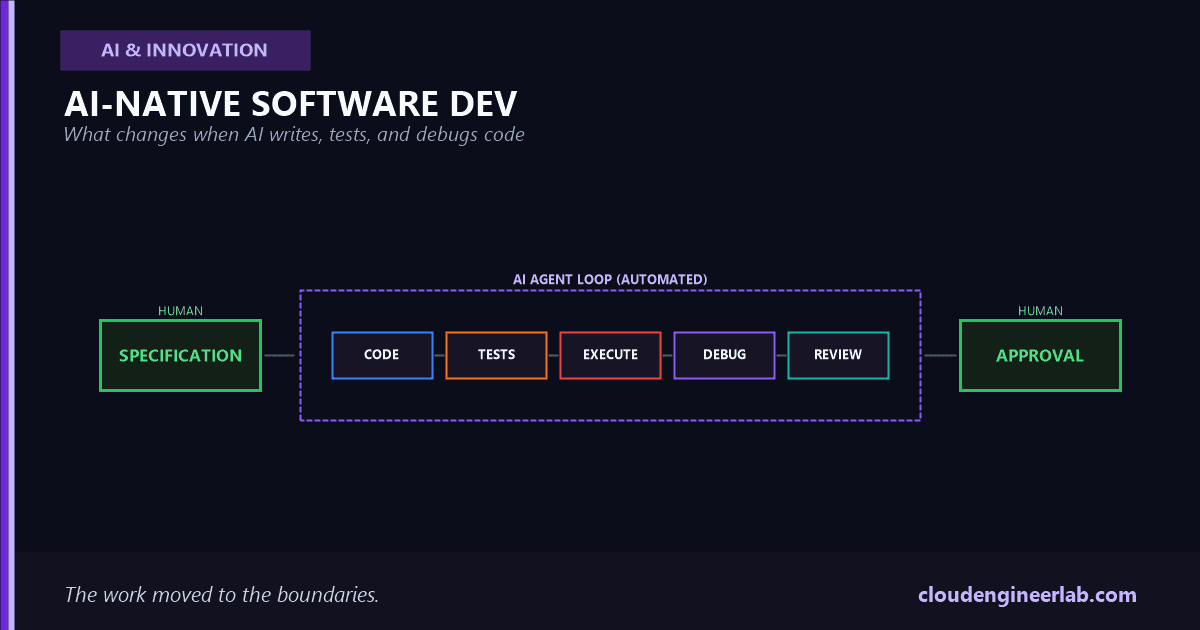
A rigorous analysis found roughly one in five 'solved' benchmark cases weren't actually correct. This isn't a replacement story. It's an architecture one.

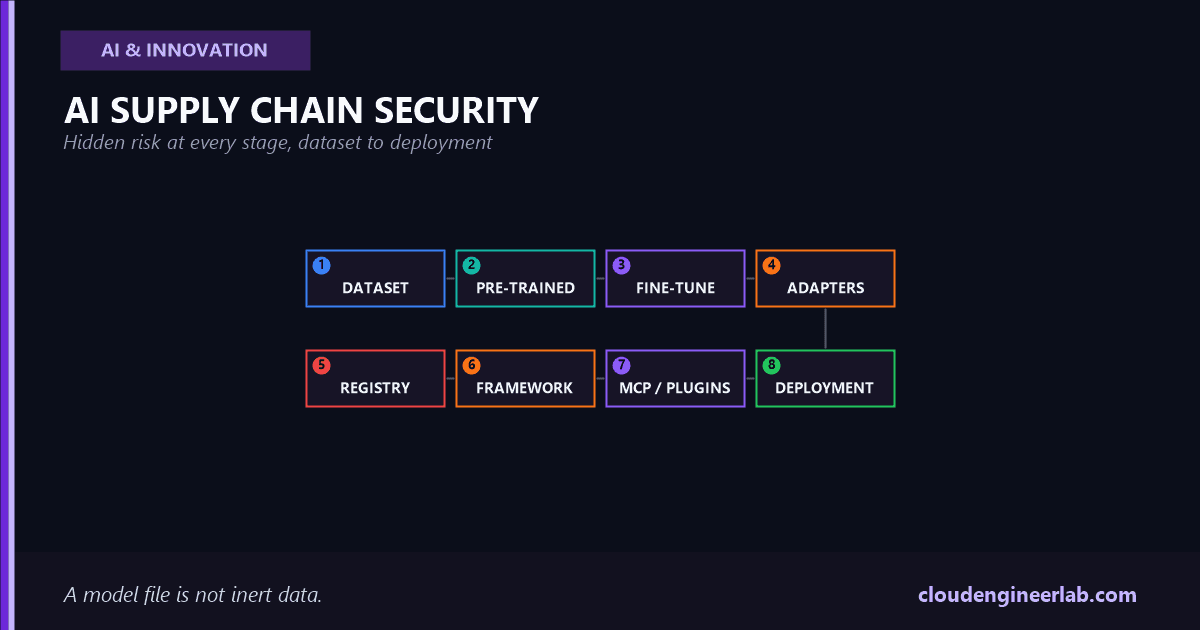
A malicious model doesn't look wrong when you read it. Real cases of poisoned datasets, backdoored models, and compromised MCP servers, and how to actually verify what you're running.

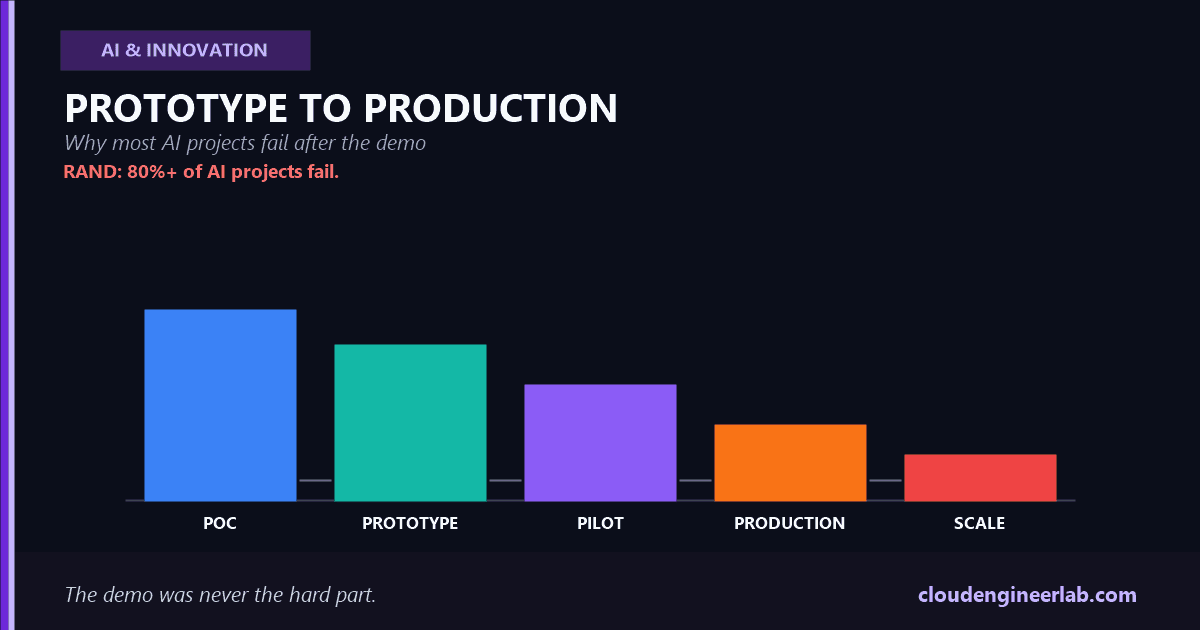
The demo always works. RAND found over 80% of AI projects still fail, and MIT found 95% of pilots never show up on the P&L. Here's exactly where they die.

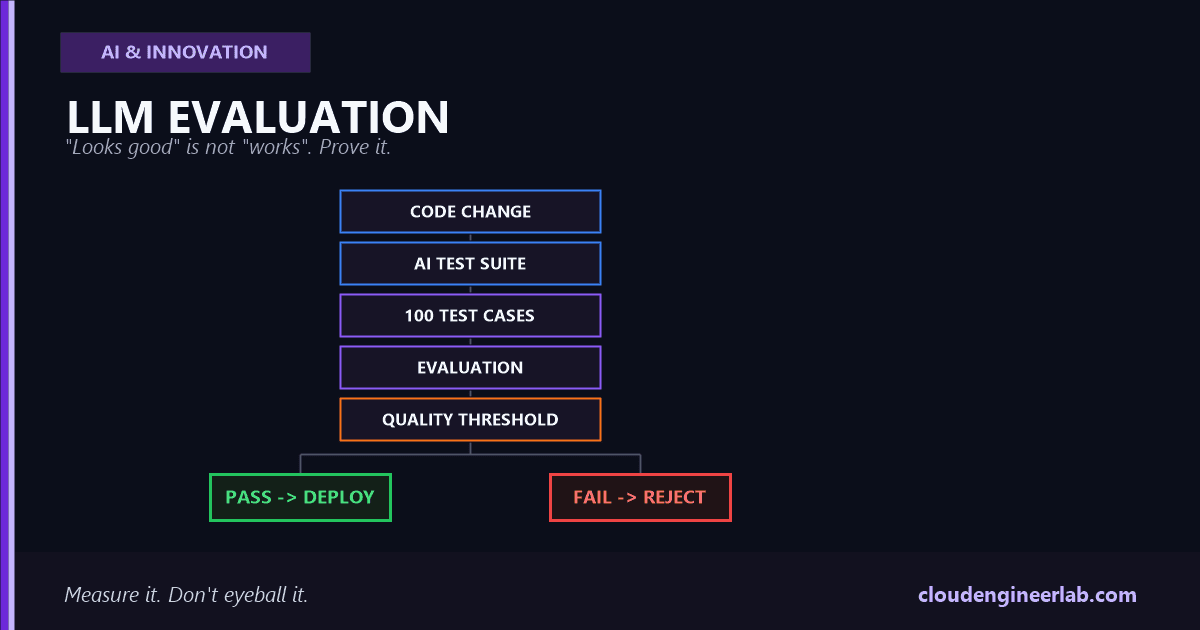
Reading five good-looking outputs isn't evaluation, it's a guess with extra steps. Real metrics, golden datasets, LLM-as-judge, and a CI/CD gate that actually works.

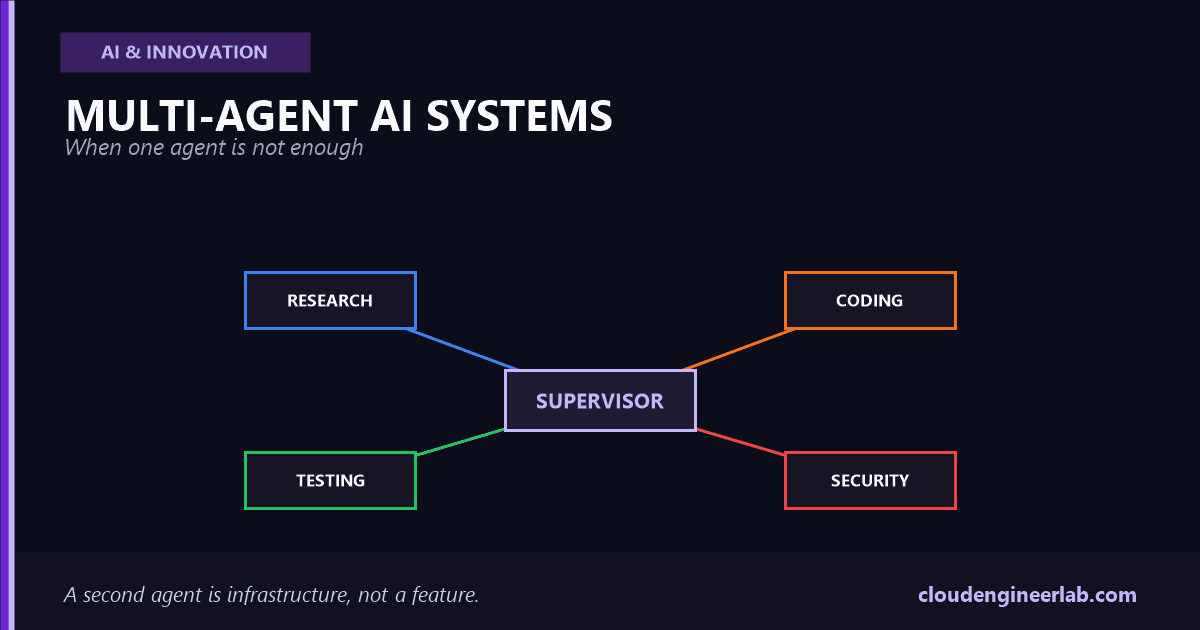
A second agent isn't a feature, it's infrastructure you now maintain and pay for. When that trade genuinely pays off, and the honest cases where it doesn't.

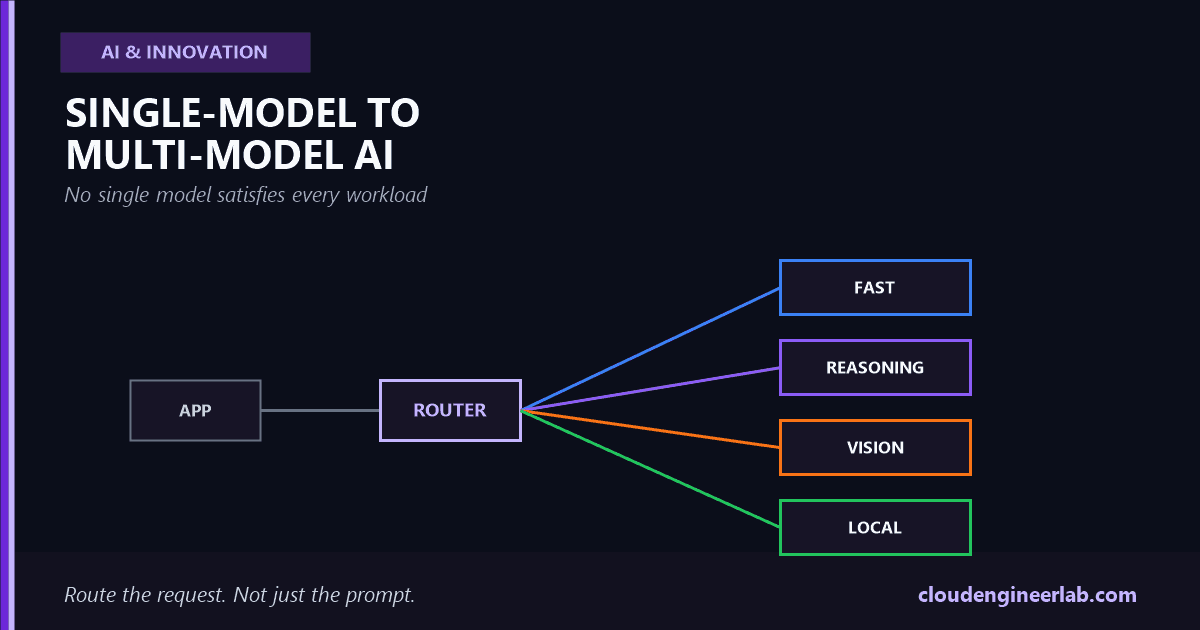
No single model satisfies every workload. Real companies now route requests across fast, reasoning, vision, and local models instead of picking just one.

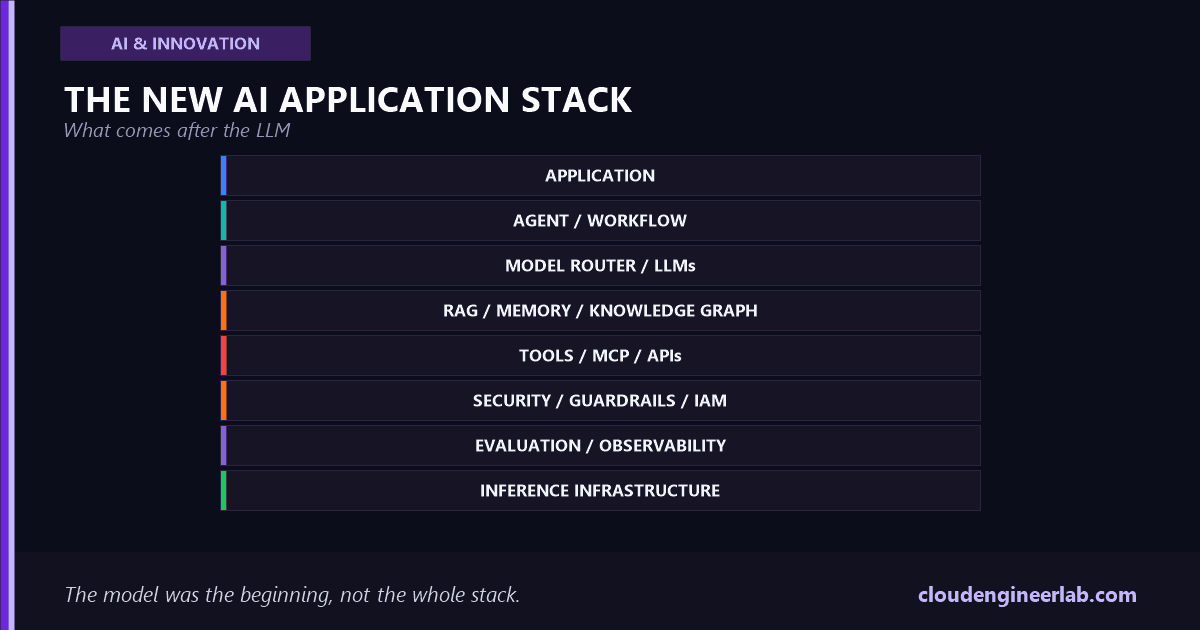
'Application plus LLM' was never the architecture, it was the demo. Here's the eight-layer stack a real AI system actually needs, and a map to every layer.

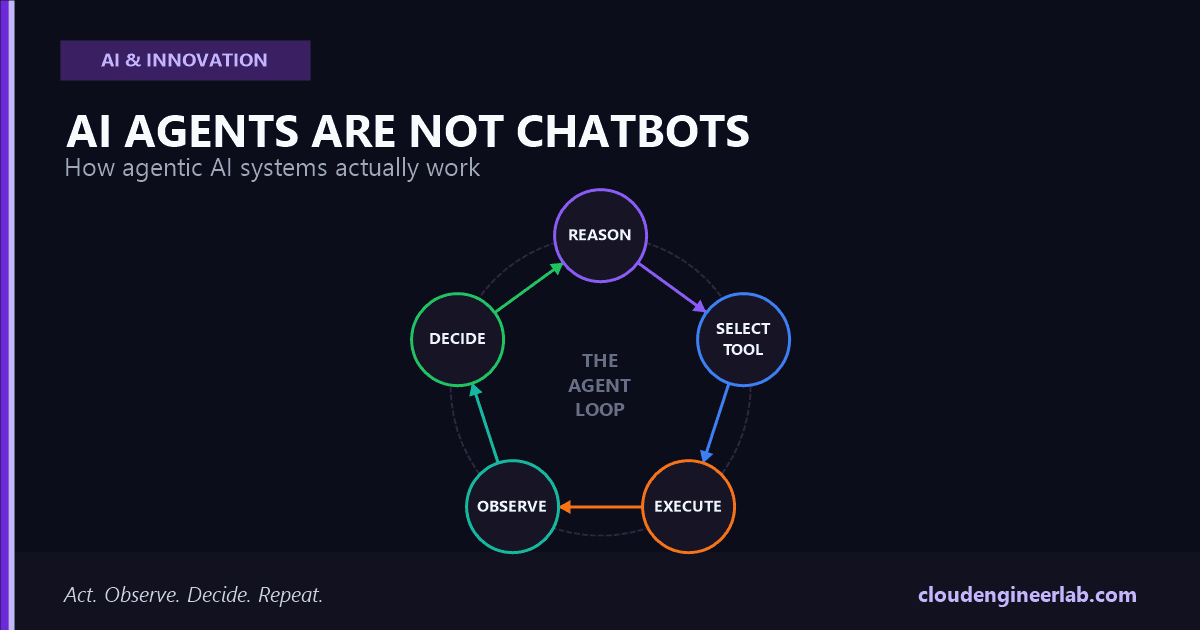
A chatbot answers. An agent acts, checks, and tries again. Here's the real architecture behind agent loops, tool calling, memory, and long-running tasks.

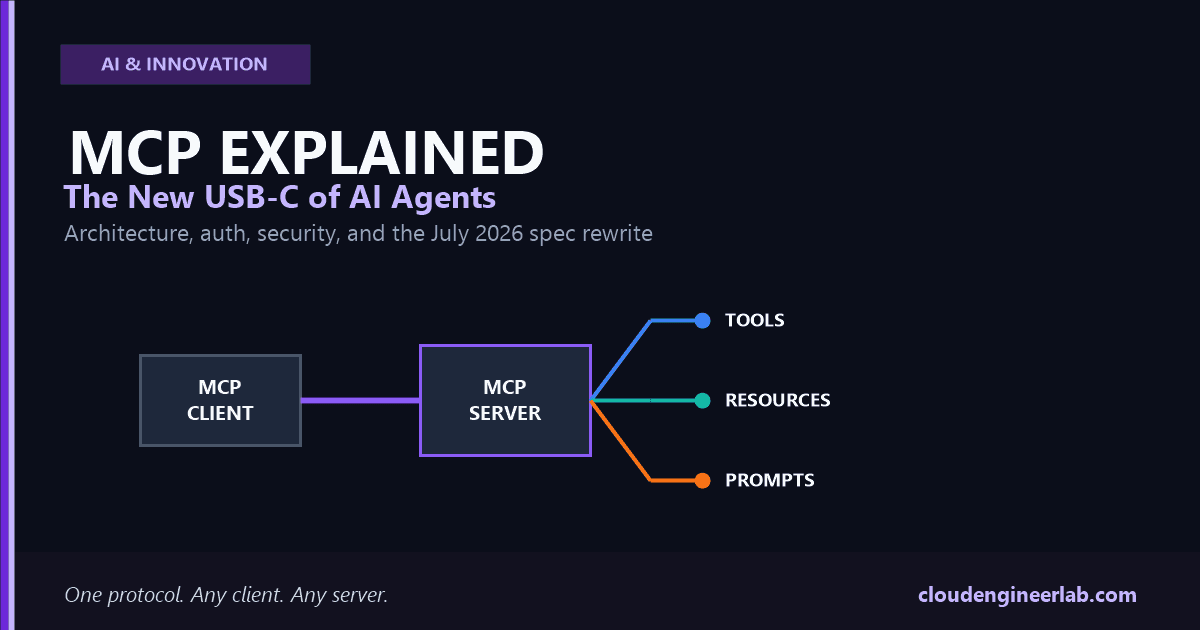
A deep architectural look at MCP: what problem it solves, how client-server and auth work, and what the July 2026 spec rewrite changed.

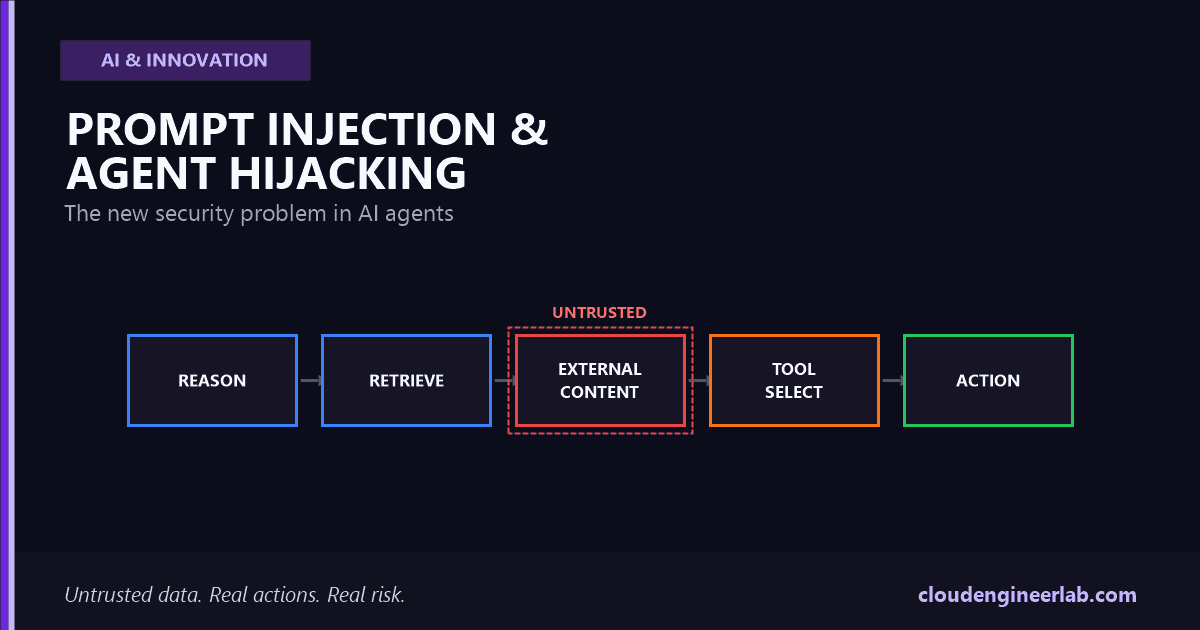
A zero-click email exploit. A poisoned GitHub PR title. Why giving an LLM tools and untrusted data is a systems security problem, not a content one.